A small front garden does a lot of work. It’s the first thing anyone sees, it decides how the house feels when you arrive, and it has to survive sun, wind and dry spells without much attention. The good news is that a small space is easier to get right than a big one: fewer plants, fewer materials and a smaller budget.
These 10 small front garden ideas suit typical Australian homes, from terrace houses and townhouses to suburban blocks. Most rely on tough native plants and simple materials, and most can be done in a weekend.
01.Before You Start: Plan the Space
A little planning saves money and stops you planting in the wrong place.
- Measure the space and sketch it on paper, including the path, gate, downpipes, meter box and windows.
- Work out the aspect. In Australia a north-facing front garden gets the most sun, and a south-facing one gets the least. That decides which plants will thrive.
- Check the rules. Front fence heights, sight lines near driveways, and tree removal rules differ between councils and states. If you live in a strata or estate with design guidelines, check those too.
- Note the soil and drainage. Sandy coastal soil drains fast, while clay holds water. Many natives, including kangaroo paw and banksia, dislike wet feet.
- Set a budget and decide what to do first. Path and planting matter more than decoration.
02.Layer the Planting in Three Heights
The simplest way to make a small garden look designed is to plant in layers: low groundcovers at the front, mid-height shrubs or grasses in the middle, and one taller plant at the back or corner.
- Low: native violet, pigface or a creeping groundcover
- Mid: lomandra, dianella or a compact grevillea
- Tall: a small tree, a clipped hedge or a climber on the fence
Repeat the same two or three plants rather than buying one of everything. Repetition looks intentional and keeps the space calm.
03.Swap the Lawn for Groundcovers, Mulch or Gravel
A small patch of lawn takes as much mowing and watering as a large one. Replacing it with mulch, gravel or pavers plus groundcovers cuts the upkeep, and often the water bill.
- Mulch suits planted areas. Keep it around 5 to 7cm deep and away from the base of plant stems.
- Gravel or crushed rock works well for dry, sunny gardens and paths, with edging to keep it in place.
- Pavers or stepping stones give you a walkable surface with groundcovers growing between them.
Lay weed mat or a thick layer of newspaper under gravel or mulch to hold back weeds.
04.Give the Path a Clear Job
A path guides visitors to the door and defines the garden. In a small space, a path that curves slightly or runs along the front of the house makes the garden feel longer than a straight line to the door.
- Pavers or concrete are durable and easy to keep clean.
- Stepping stones in gravel or groundcover suit a relaxed, informal look.
- Solar lights along the edge make the path safer at night.
Keep the path at least 90cm wide so two people can pass, and make sure it drains properly.
05.Use a Low Hedge for Privacy and Structure
A clipped hedge gives structure and a bit of privacy without a solid fence.
- Westringia (coastal rosemary) clips well, copes with salt wind and stays compact.
- Lilly pilly cultivars bred for hedging grow quickly, but choose a compact, pest-resistant type and check the mature height.
Check council rules for boundary hedges and keep the corner near driveways low so drivers can see pedestrians.
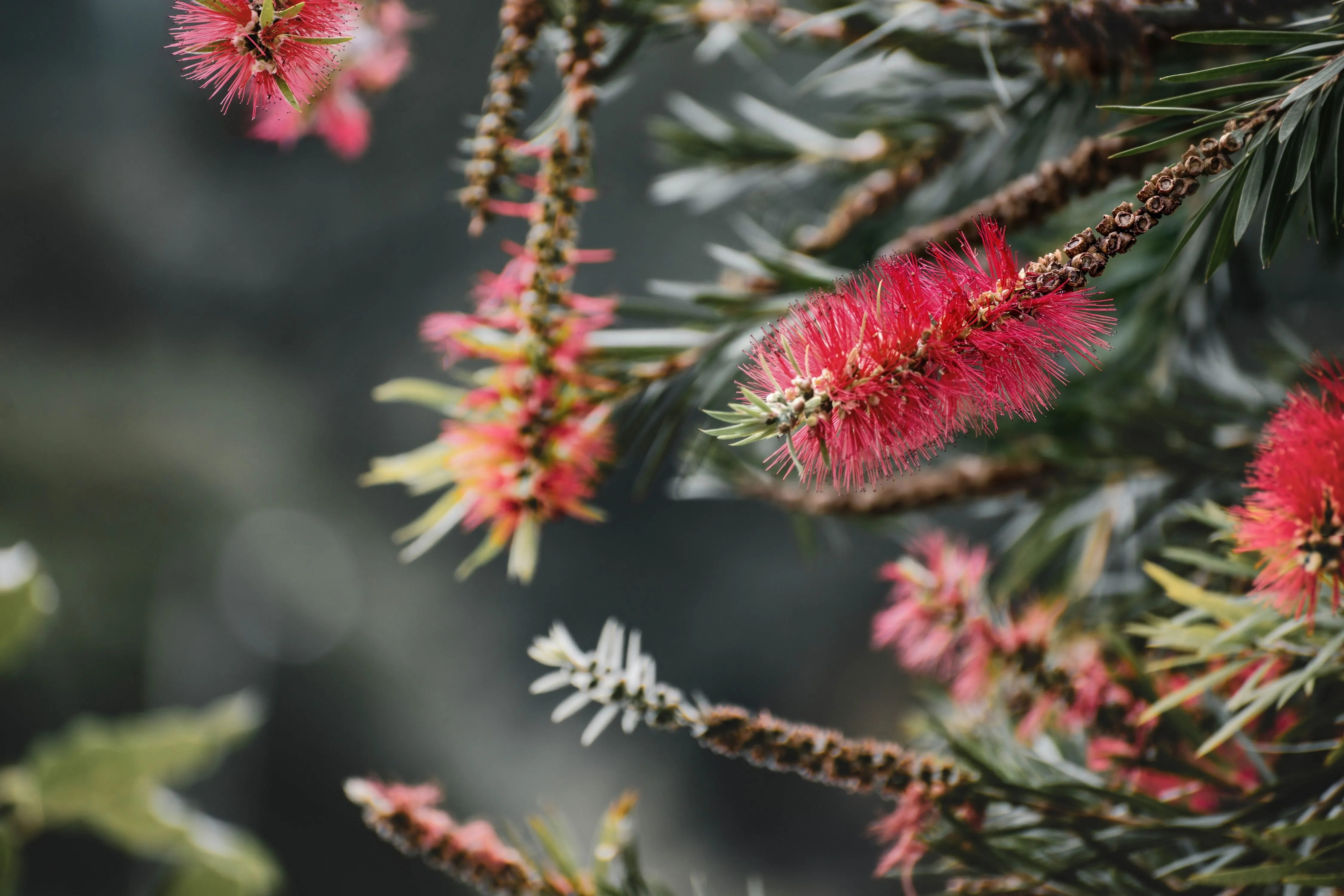
06.Plant Tough Natives That Suit Your Climate
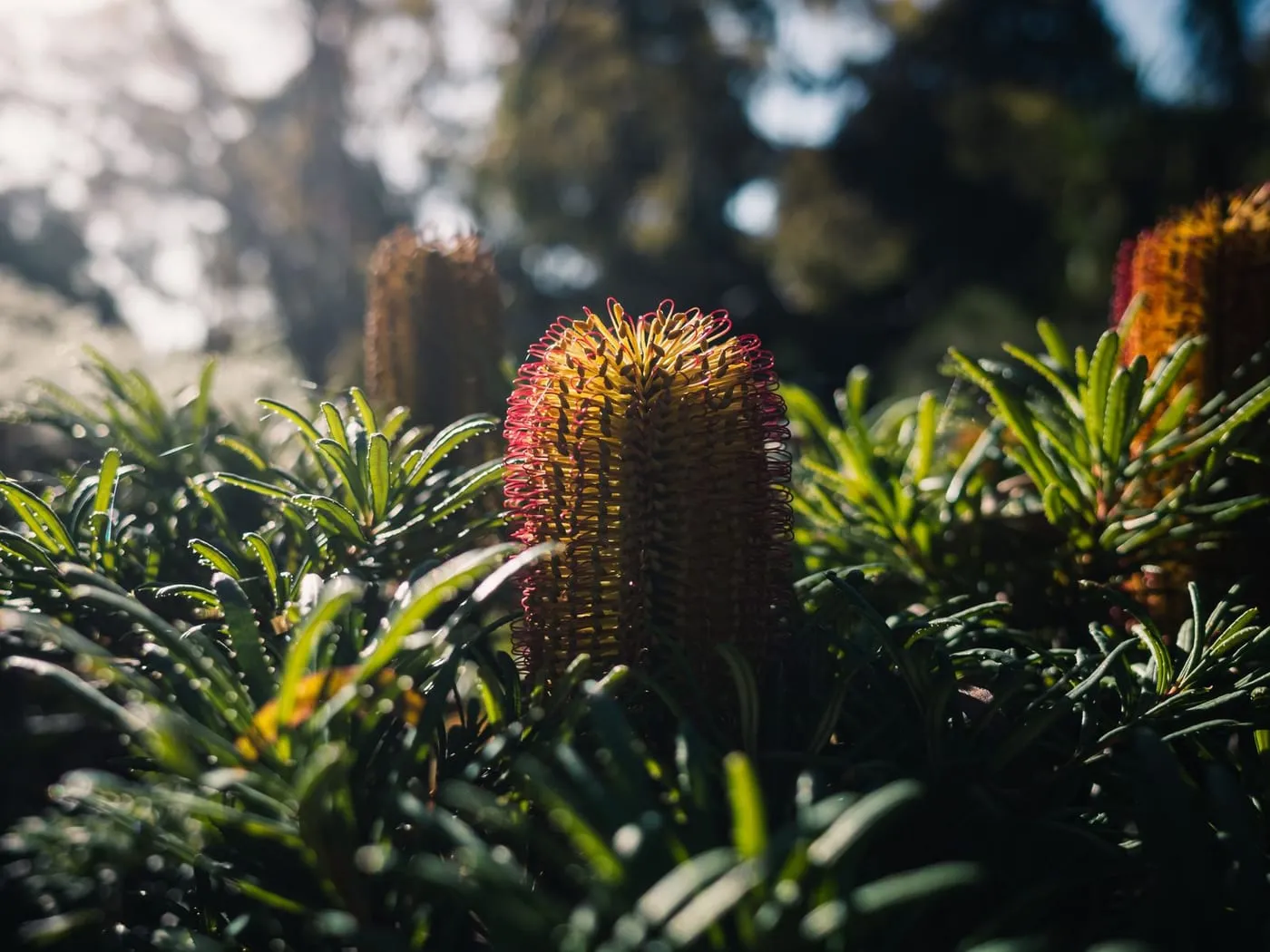
Natives suit Australian conditions once they’re established, and they attract birds and pollinators. These are commonly available and easy to grow, but always check the plant tag for the mature size and the conditions each one needs.
| Plant | Typical size | Best for | Notes |
|---|---|---|---|
| Lomandra (e.g. ‘Tanika’) | 50 to 60cm | Sun to part shade | Very tough, copes with dry and poor soil |
| Dianella | 30 to 60cm | Sun to part shade | Strappy leaves, blue berries |
| Westringia | 60cm to 1.5m | Full sun, coastal | Clips into a low hedge, salt tolerant |
| Grevillea (compact forms) | 1m to 2m | Full sun | Flowers for months, loved by birds |
| Kangaroo paw | 30 to 60cm | Full sun, good drainage | Struggles in humid, wet conditions |
| Correa | 60cm to 1m | Part shade | Bell-shaped winter flowers |
| Native violet | Groundcover | Shade, moist | Spreads to fill gaps |
| Pigface | Groundcover | Full sun, coastal | Succulent, handles salt and drought |
Sizes vary by cultivar and conditions, so treat these as a guide.
07.Use Pots and Planters by the Door
Pots suit a small front garden, particularly on a porch, a courtyard-style entrance or a paved area where you can’t dig.
- Use two or three large pots rather than lots of small ones, and group them by the door.
- Choose drought-tolerant plants for pots, since they dry out faster than garden beds.
- Add saucers or pot feet so water drains without staining the paving.
08.Add Height with a Climber or Trellis
If the ground space is tight, grow up. A trellis or wire on a fence or wall holds a climber and adds greenery without using floor space.
- Hardenbergia (native sarsaparilla) is a tough native climber with purple flowers in late winter.
- Fix the trellis so it doesn’t damage rendered walls, and check with your landlord or strata first if you rent.
09.Design for Coastal Wind and Salt
Near the coast, wind and salt spray decide what survives. Tough coastal choices include westringia, pigface, dianella and coastal banksia. Plant them densely so they protect each other, and add a windbreak such as a low hedge or a permeable screen rather than a solid wall.
For a wider planting palette, see our guide to native garden ideas for Australia.
10.Light the Entrance
Good lighting makes a small front garden feel safe and welcoming at night.
- Solar path lights are easy to install and need no wiring.
- A warm wall light by the door (around 2,700K) looks inviting, and a sensor light helps with security.
- Uplighting a single feature plant draws the eye without over-lighting the space.
11.Refresh the Door, Letterbox and Numbers
Small details change how the whole front reads, and they cost little.
- Repaint the front door in a colour that suits the house and the planting.
- Replace an old letterbox and clear house numbers.
- Tidy the edges of the lawn or beds with edging so the garden looks finished.
These finishing touches matter as much as the plants.
12.What Will It Cost?
Costs vary widely with materials and where you live, so use this as a rough guide and get local quotes.
- Small budget: mulch, native tubestock, a couple of large pots and a repainted front door. Tubestock (small young plants) is the cheapest way to plant and establishes quickly.
- Medium budget: a paved or stepping-stone path, edging, solar lights and drip irrigation.
- Larger budget: new fencing, retaining walls, and removing or replacing a lawn or garden bed.
Bunnings and local native nurseries stock most of what’s above. Local nurseries can tell you which natives do best in your area.
13.Common Mistakes to Avoid
- Planting too many different plants. Repeat a few instead.
- Ignoring mature size. A small shrub that grows to 3m will swallow the path.
- Forgetting drainage. Many natives hate wet feet.
- Skipping mulch. It saves water and stops weeds.
- Building without checking council rules. Fences and hedges near boundaries can be regulated.
14.Where to Go Next
If you have a courtyard as well as a front garden, see our small courtyard garden ideas for Australia. For the backyard, our backyard landscaping ideas guide covers layout and planting for larger spaces.
15.Watering a Small Front Garden Efficiently
A small front garden uses less water than you might expect, but only if the watering method matches the planting. Hand-watering with a hose wastes water on paths and mulch, while a basic drip irrigation kit delivers water directly to each plant’s root zone.
Drip irrigation kits start at around $30-$60 AUD at Bunnings and connect to an outdoor tap with a battery timer ($25-$40 AUD). A timer set to water early morning, before 7am, reduces evaporation loss by roughly 30% compared with midday watering. Most established Australian natives need watering only once or twice a week in summer and not at all in a normal winter.
Mulch is the cheapest water saver. A 5-7cm layer of chunky eucalyptus or pine bark mulch holds moisture in the soil and suppresses weeds. One cubic metre of mulch ($60-$90 AUD delivered from a landscape supplier, or roughly $8-$12 per bag at Bunnings) covers about 10-15 square metres at the right depth. Refresh it once a year, ideally in late autumn before the heat arrives.
Water restrictions apply in most Australian states during summer. Check your local council or water authority website for current watering days and hours before setting up any irrigation system. Most drip systems are exempt from hand-watering restrictions, but overhead sprinklers are usually banned or heavily restricted.
16.Final Thoughts
A great small front garden isn’t about size. It’s a clear path, layered planting, a few tough plants repeated, and small details like lighting and a fresh door. Start with the path and the planting, choose plants that suit your climate, and add the finishing touches last.