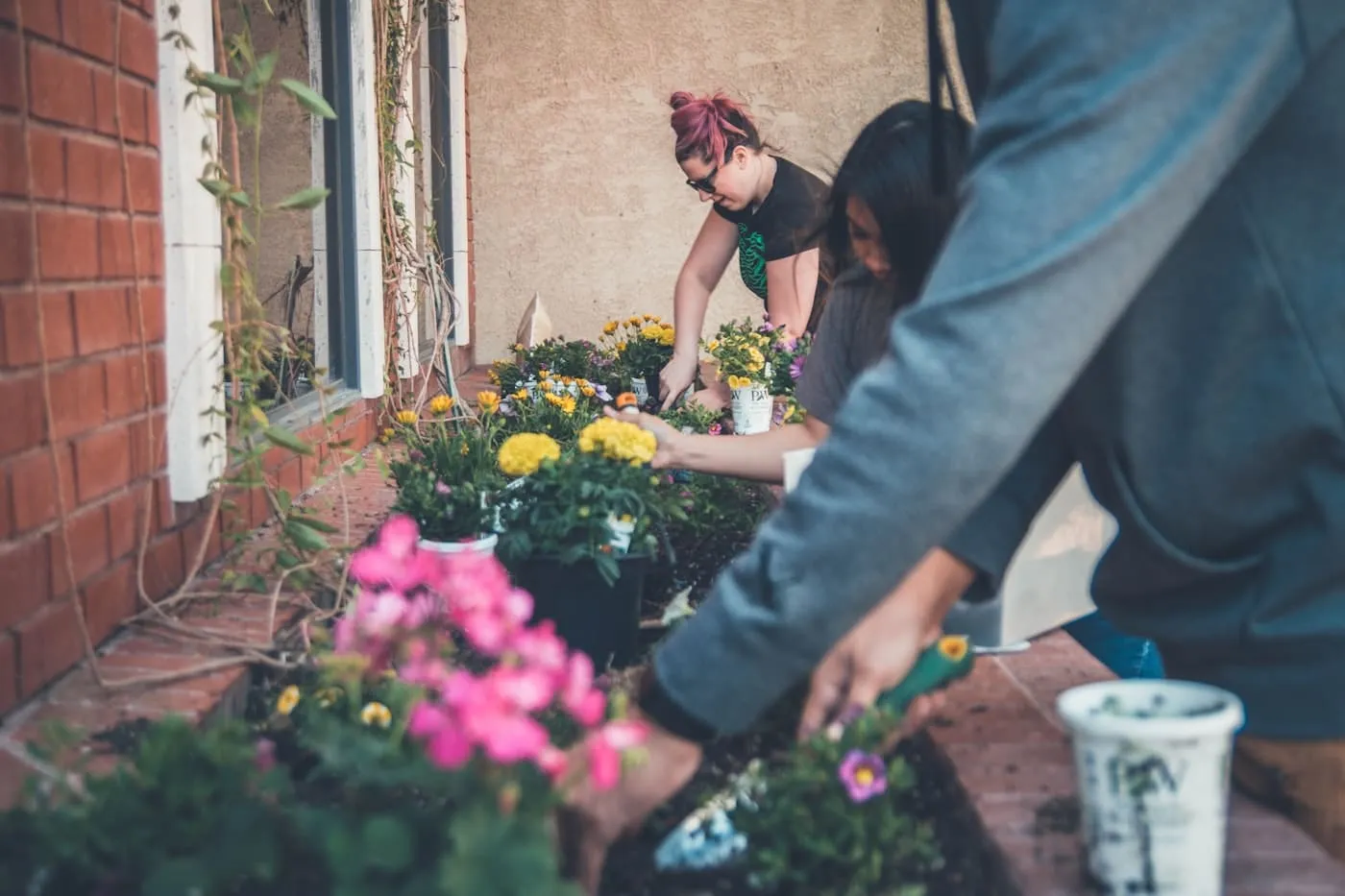
Not every backyard garden needs to be ornamental. If the goal is herbs on the kitchen windowsill or a few tomato plants that actually produce something, the approach is different from the native and ornamental planting covered in our backyard landscaping ideas for Australian homes guide — this one is about growing food in whatever space is actually available.
Most small Australian backyards have enough room for a productive edible garden, even if that’s a single raised bed by the back door or a cluster of pots on a sunny patio. The trick is matching the setup to the space, not trying to replicate a full market garden in 10 square metres.
01.How Much Space Does a Small Edible Garden Actually Need?
A single raised bed around 1.2m x 0.6m, roughly the size of a standard door, is enough to grow a rotating mix of herbs, leafy greens, and one or two fruiting plants through most of the year. This size fits against a fence line or beside a back step in nearly any suburban yard, and it’s small enough to keep watered without a dedicated irrigation system.
For households with even less room, a trio of large pots (30-40cm diameter, ~$15-$25 AUD each) handles herbs and compact crops like chillies or dwarf tomatoes just as well as a full bed. Pots also move with the sun, or move entirely if you’re renting and relocate at the end of a lease.
Space planning by backyard size:
- Balcony or courtyard only: 3-4 large pots, herbs and compact crops
- Small yard, one sunny corner: single raised bed (1.2m x 0.6m)
- Standard suburban yard: two raised beds, rotated seasonally
02.What’s the Easiest Herb Bed to Start With?
A compact herb bed of basil, parsley, mint, and rosemary needs under 1 square metre and typically pays for itself within a single season compared to buying fresh herbs at the supermarket. Mint spreads aggressively, so keep it in its own pot even inside a shared bed, otherwise it crowds out everything else within a few months.
Position the herb bed as close to the kitchen door as practical. The single biggest reason herb gardens fail isn’t the plants, it’s that nobody walks past them often enough to notice when they need water or a quick trim.
A reliable starter mix:
- Basil — full sun, replace each spring (it’s an annual)
- Parsley — part shade tolerant, slow to bolt in cooler coastal climates
- Rosemary — drought and salt tolerant, a perennial that only gets better with age
- Mint — part shade, keep contained in its own pot
Key point: A starter set of four herb seedlings costs ~$20-$32 AUD at Bunnings, and a 1 sqm raised herb box with soil runs ~$90-$140 AUD total.
03.Which Vegetables Actually Work in a Small Space?
Leafy greens, herbs, and compact fruiting plants like cherry tomatoes and chillies are the best returns for the space in a small backyard, since they have shallow root systems and keep producing over weeks rather than a single harvest. Root vegetables like carrots and potatoes need deeper soil and more total area than most small beds can offer.
Silverbeet and kale are close to foolproof across most Australian climates and tolerate some shade, which matters in a backyard overshadowed by a fence or a neighbouring two-storey house. Cherry tomatoes need a stake or small cage (~$10-$15 AUD) and full sun, but a single plant in a large pot can produce fruit for months through summer.
| Crop | Space needed | Sun requirement | Difficulty |
|---|---|---|---|
| Silverbeet / kale | 1 plant per 30cm | Part shade OK | Easy |
| Cherry tomatoes | 1 plant per 40cm pot | Full sun | Moderate |
| Chillies | 1 plant per 25cm pot | Full sun | Easy |
| Lettuce (cut-and-come-again) | Dense planting OK | Part shade | Easy |
04.How Do You Grow Edibles in a Coastal Garden With Salty Air?
Rosemary, silverbeet, fig, and most Mediterranean herbs tolerate salt spray well, which makes them reliable choices for a backyard close to the coast where more delicate crops often struggle or brown off at the leaf edges. More sensitive plants like lettuce and tomatoes do better positioned behind a low windbreak hedge or on the side of the house sheltered from direct onshore wind.
A simple windbreak, even a single row of Westringia or a timber slat screen, drops wind speed enough at ground level to protect a vegetable bed without blocking the sun the plants still need. This matters more in exposed coastal suburbs than it does even a few streets further inland.
Key point: A 1.8m timber slat windbreak panel from Bunnings costs ~$65-$95 AUD and does double duty as a privacy screen for a patio or raised bed.
05.Is a Community Garden Plot Worth It Instead?
A community garden plot is worth considering when a backyard has no usable sun or space at all, and most council-run plots cost under $50 AUD a year in membership, which is cheaper than most people expect. Shared tools, bulk compost, and other members’ experience are genuine advantages over a solo backyard setup, particularly for anyone new to growing food.
Most local councils list available community gardens on their website, and waitlists vary significantly by suburb — inner-city areas tend to have longer waits than outer suburbs. If a backyard gets fewer than 3-4 hours of direct sun daily, a community garden plot in a sunnier shared space will outproduce almost anything grown at home.
If renting with no permanent garden access, a community garden plot also solves the problem of leaving established plants behind at the end of a lease.
06.How Do You Keep a Small Edible Garden Productive Year-Round?
Succession planting, replacing a harvested crop with a new seedling within days rather than leaving the space empty, is what separates a backyard that produces food for months from one that gives a single harvest and goes quiet. Leafy greens and herbs are the easiest crops for this, since most can be resown directly where the last plant came out.
Mulch beds after each planting cycle to retain moisture and suppress weeds, the same principle covered in more depth in our native garden ideas Australia guide. A monthly top-up of compost or pelletised fertiliser (~$12-$20 AUD a bag from Bunnings) keeps productivity up through a full growing season rather than tapering off after the first flush.
Key point: A well-maintained 2 sqm edible garden can realistically supply a household’s herb needs and a meaningful portion of leafy greens through spring, summer, and autumn.
Start with a single raised bed or three pots of herbs near the kitchen door. Expand once that first bed is actually being used and watered regularly — a second, unused bed is the most common edible-garden mistake in small Australian backyards.
Related reading you might find useful:
- Backyard Landscaping Ideas for Australian Homes for the wider layout this garden fits into
- Native Garden Ideas Australia for the ornamental side of the same backyard
- Small Courtyard Ideas Australia for growing edibles in a fully paved space