Boho coastal is the coastal style I’m most personally drawn to — and the one that takes the most courage to do well, because it requires committing to a layered, personal aesthetic in a design climate that often rewards minimalism. I’ve been building the boho coastal elements of our Gold Coast home gradually, alongside the coastal basics, and the rooms that excite me most are always the ones with more personality, more texture, and more stuff that means something.
The boho coastal aesthetic — a relaxed blend of natural materials, layered textiles, and eclectic collected pieces — reflects what Domain.com.au calls the ‘lived-in luxe’ trend driving Australian interior design interest.
Here’s what makes it work.
01.Start With the Same Warm White Base — Then Layer From There
Boho coastal doesn’t abandon the foundational coastal palette — it builds on it. The walls are still warm white (Dulux Natural White or Taubmans Antique White USA). The floors are still pale timber or stone-look tile. The primary textiles are still linen. What changes is what goes on top of this base: the additional colours, the layered textures, the collected objects, the plants, the macramé.
The white base is what keeps boho coastal from becoming visually overwhelming. Every colour and texture reads more clearly against white than against a coloured or patterned background.
02.Let the Colour Palette Expand Into Warm Terracotta and Sage
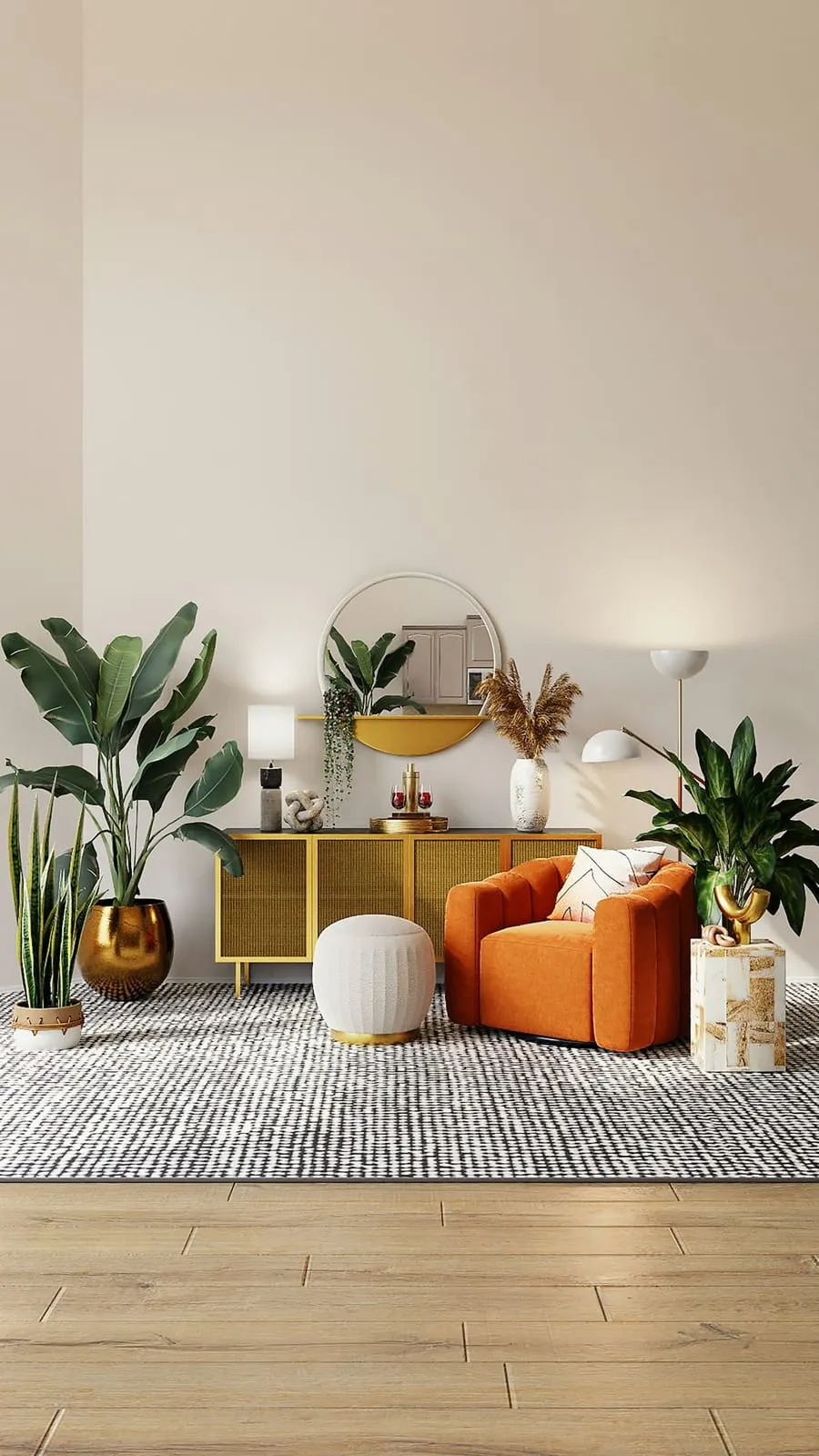
Pure coastal has a very limited palette — white, natural, and possibly one accent of navy or dusty blue. Boho coastal permits more: terracotta, rust, mustard, sage, and dusty rose are all welcome as accent tones. The key rule: all accent colours must be warm and earthy, not bright or saturated.
How I introduced colour:
- Two terracotta linen cushion covers on the sofa alongside the white ones
- A mustard throw draped over the armchair
- Sage green cushions as a secondary accent
- Terracotta plant pots at every scale throughout the home
The colour isn’t competing — it’s complementing the natural palette. All of these tones appear in the Australian coastal landscape; none of them look out of place against warm white walls and a jute rug.
03.Add Macramé — But Use It With Restraint
Macramé is the material shorthand for boho styling, and in boho coastal, it connects the bohemian element to the natural-material vocabulary of coastal design. The danger is overuse — macramé on every wall, macramé plant hangers at every window, a macramé table runner under the breakfast bowls. The result looks more like a macramé shop than a home.
My macramé rule: One significant piece per room. In the living room: a large-scale woven wall hanging (80—120cm wide, 90—150cm long) on the wall behind the sofa or reading chair. In the bedroom: a macramé plant hanger at one window with a trailing pothos. That’s sufficient macramé for any room.
Where to buy Australian-made macramé: Etsy (filter to Australian sellers), local markets in Byron Bay, Noosa, and Fremantle, and Instagram-based Australian makers. $45–$250 depending on scale and complexity.
04.Layer Rugs for Depth and Texture
The most distinctively boho element in any room is a layered rug situation — a large jute or natural fibre rug as the base, with a smaller, more decorative rug (a Moroccan-inspired flatweave, a vintage kilim, or a handwoven cotton rug) placed over it at an angle.
The top rug introduces pattern and colour that a single rug approach doesn’t allow, while the jute base grounds everything in the natural material family. The layered rug look requires rugs in different scales (the top rug should be approximately 40—60% the size of the base rug) and compatible tones.
Where to buy: Pampa (Australian-made, excellent quality flatweave rugs, $350–$900), Kmart (entry-level jute base and flatweave options, $89–$179), and Etsy for vintage and handmade options ($80–$400).
05.Collect Vintage Rattan — Don’t Just Buy New
Vintage rattan furniture — the kind from the 1970s—1990s with the traditional weave patterns that newer rattan doesn’t replicate — is the most distinctive rattan element in a boho coastal interior. A vintage rattan peacock chair, a rattan cabinet with glass doors, or a vintage rattan bar cart introduces both the material and a sense of history that new rattan doesn’t have. For a deeper look at where rattan fits into the broader coastal material palette, the guide to rattan furniture in Australian coastal homes covers sizing, placement, and sourcing in detail.
Where to find vintage rattan in Australia: Facebook Marketplace is the best source — $30–$200 for excellent pieces that would cost $500+ new. Op shops in coastal cities, particularly in Queensland, NSW, and WA, regularly yield good vintage rattan. Gumtree and eBay are secondary options.
06.Build a Plant Collection — Generously
Boho coastal homes have more plants than pure coastal or Hamptons homes. Not in a controlled, one-plant-per-room way — in a genuinely abundant way, where multiple plants of varying species and sizes create a lush indoor garden quality in the primary living spaces. Choosing the right species for each room is covered thoroughly in the guide to indoor plants for coastal homes in Australia, which includes care requirements and pot pairing advice.
Our current plant collection:
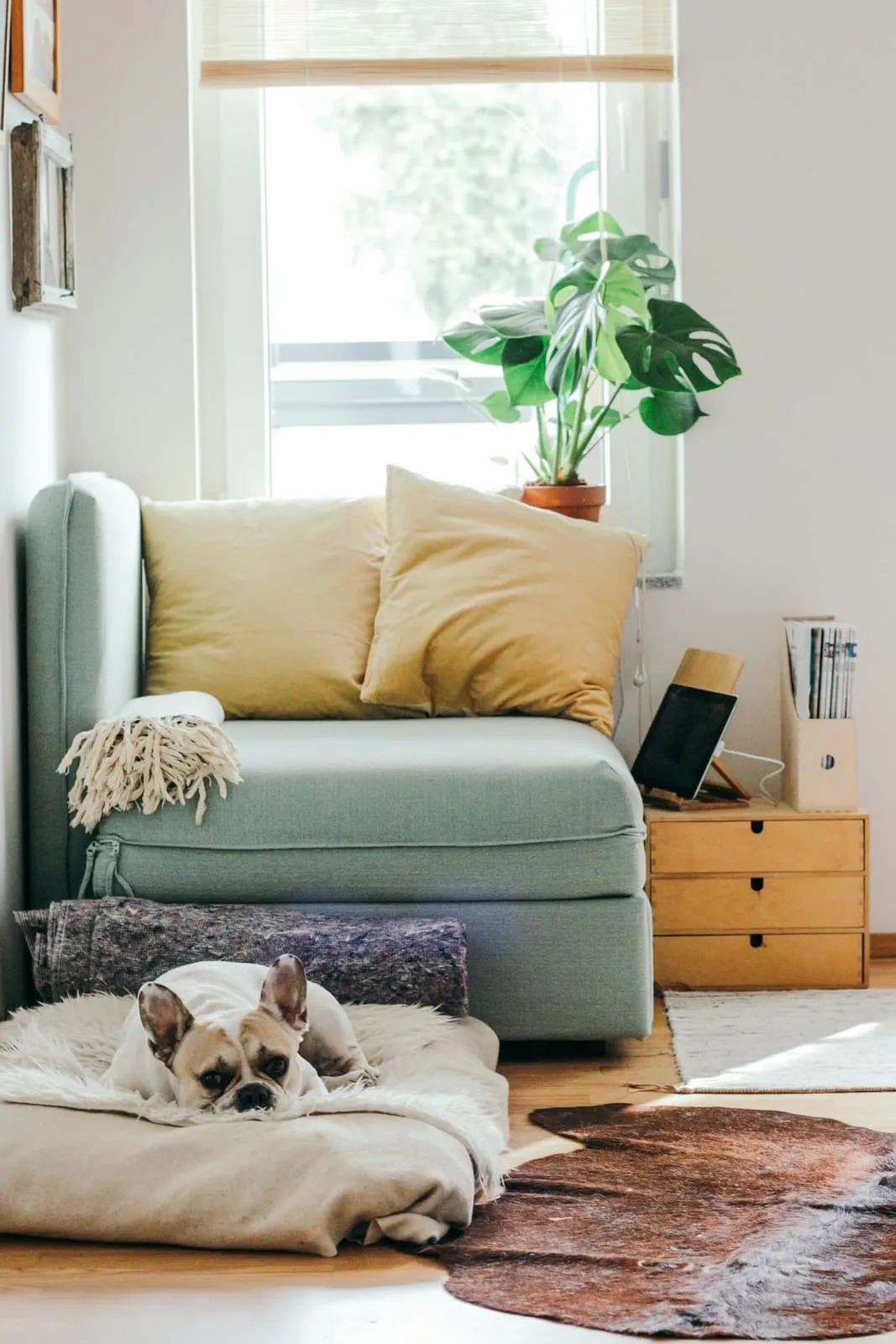
- Living room: fiddle leaf fig (2m), monstera, trailing devil’s ivy over the bookshelf, a small terracotta pot collection of succulents on the window ledge
- Bedroom: pothos on the bedside table, a small fern in the bathroom window
- Kitchen: herb planter (rosemary, basil, and mint) on the windowsill
- Entry: standard olive tree in a large terracotta pot
None of these plants are particularly difficult to care for — they’re all available from Bunnings with care guides. The collective effect is a home that feels genuinely alive.
07.Display Personal Objects as Considered Collections
The quality that boho coastal has that pure coastal and Hamptons lack: it welcomes personal objects. Vintage ceramics from a market in Byron Bay, a piece of Aboriginal art from a direct purchase, a print you bought at a coastal market in Fremantle, a piece of driftwood from a specific beach — these objects are not just decorations, they’re stories. And boho coastal is the style that makes room for stories.
The display rule: Collect personal objects together rather than scattering them individually. A grouping of five meaningful ceramic pieces on a shelf reads as a considered collection. The same five pieces spread across five different surfaces in five rooms reads as random objects.
08.Use Woven Textiles at Every Scale
Boho coastal rooms feel richest when there’s woven texture at every scale: a large macramé or woven wall hanging (large), a jute rug (large), rattan furniture (medium), woven cushion covers (medium), a raffia or rattan table lamp (medium), woven coasters (small), a small woven basket on the coffee table (small).
The layering of woven textures — different materials, different scales, different weave densities — creates the visual warmth that the boho coastal style is known for, and that its more minimalist coastal relatives lack.
09.Choose Lighting That Creates Warmth, Not Brightness
Boho coastal interiors are lit by warmth, not brightness. The overhead lighting should be warm (2700K or lower), indirect where possible (a rattan pendant diffuses the bulb), and supplemented by table lamps, floor lamps, and candles rather than relying on a single overhead source.
My lighting in the living room:
- Rattan globe pendant (large, 65cm diameter, $149 from Temple & Webster) for overhead warmth
- A mid-century rattan floor lamp (vintage, Facebook Marketplace, $45) for reading
- Candles in varying heights on the coffee table for evenings
- No downlights in the living room — they’re too clinical for the boho aesthetic
10.Hang More Art — But Make It Personal and Varied
Where pure coastal interiors use art sparingly (one large piece per wall), boho coastal uses art more generously — a gallery wall is appropriate, and the collection can be varied in medium, frame, and subject in a way that would look wrong in Hamptons.
A boho coastal gallery wall: A mix of framed original prints, unframed canvas artwork (yes, canvases are appropriate in boho where they’re not in Hamptons), macramé or woven textile pieces, and personal photographs in natural frames. The mix of mediums and frame styles is part of the point.
11.Add Incense, Candles, and Plants for Multi-Sensory Living
Boho coastal interiors engage more senses than the pure coastal approach. The scent of burning palo santo or a quality incense (Australian brand Sand + Fog, $25–$45 from Temple & Webster), the warmth of a cluster of beeswax candles in the evening, the organic smell of living plants — these sensory layers are as much a part of the boho coastal aesthetic as the visual elements.
12.Trust Your Own Instincts More Than Any Style Guide
Boho coastal is the most personal of all the coastal styles — and it’s the style that fails most when approached as a rulebook to be followed rather than a starting point for personal expression. The boho coastal home that looks and feels most authentic is the one where the owner’s personality is evident in every room: the vintage piece they love that doesn’t quite fit the style, the colour they’ve committed to despite what the rules say, the collection of objects that makes sense only to them.
Follow the principles (warm white base, natural materials, rattan, plants, woven textures), and then bring yourself to it.
13.Start Here: Priority Order
| Priority | Action | Approx. Cost |
|---|---|---|
| 1 | Layer textures first: jute rug + linen cushions + woven throw | ~$100–$400 AUD |
| 2 | Add rattan and macramé elements — pendant, wall hanging, or basket | ~$20–$150 AUD |
| 3 | Visit one op shop or market for 2–3 found pieces with character | ~$20–$80 AUD |
| 4 | Bring in trailing plants in terracotta pots — the boho signature | ~$15–$50 AUD |
| 5 | Add candles and a quality reed diffuser for the scent layer | ~$20–$65 AUD |
Related reading: