Rattan has had one of the most remarkable design revivals of the past decade in Australia — and it shows no sign of slowing down. The texture, the warmth, the way it connects a room to the coastal world outside — it suits the Australian way of living better than almost any imported style trend. For the outdoor garden context where synthetic rattan works best, see our backyard landscaping ideas for Australian homes.
Key Takeaways
- Natural rattan is an indoor-only material in Australia — use synthetic PE rattan for any outdoor application
- A single rattan pendant light transforms the feel of a room for as little as ~$39 AUD (IKEA AU)
- Layer rattan with linen, cotton, and natural timber for a cohesive coastal look — not with too many competing textures
- The egg chair and pendant light are the two most recognisable rattan pieces in Australian coastal homes
- Condition natural rattan twice yearly to prevent cracking in Australia’s dry climate
01.Natural Rattan vs Synthetic Rattan — Which Should You Buy?
This is the most important question to answer before you buy any piece of rattan furniture in Australia, because it determines where the piece can live, how long it lasts, and how much maintenance it needs.
Natural rattan is harvested from the rattan palm vine, primarily grown in Indonesia, Malaysia, and the Philippines. It’s warm, beautiful, and genuinely tactile — the real thing has a quality that synthetic alternatives can’t fully replicate. However, natural rattan is moisture-sensitive and UV-sensitive. In Australian conditions, prolonged outdoor exposure causes it to dry out, crack, fade, and eventually mould. Natural rattan belongs indoors, in a reasonably stable climate, away from direct sun and air conditioning drafts. For outdoor pieces, caring for synthetic rattan in salt air requires regular cleaning and UV protection.
Synthetic rattan — also called PE rattan or all-weather wicker — is made from polyethylene and woven over aluminium frames. It’s engineered specifically for outdoor use. Quality PE rattan handles direct Australian sun, rain, coastal salt air, and humidity without deteriorating. For pool areas, balconies, and outdoor settings, synthetic rattan is the only appropriate choice.
Key point: If a piece of rattan furniture is labelled “outdoor” or “all-weather,” it’s synthetic PE rattan on an aluminium frame. Natural rattan pieces are typically sold without outdoor claims and are significantly more expensive. Natural rattan dining chairs from Temple & Webster start from ~$120–$350 AUD each. Synthetic rattan outdoor sets (four chairs and a table) start from ~$400–$1,200 AUD from Outdoor Elegance or Temple & Webster.
02.How Do You Style Rattan in the Living Room?
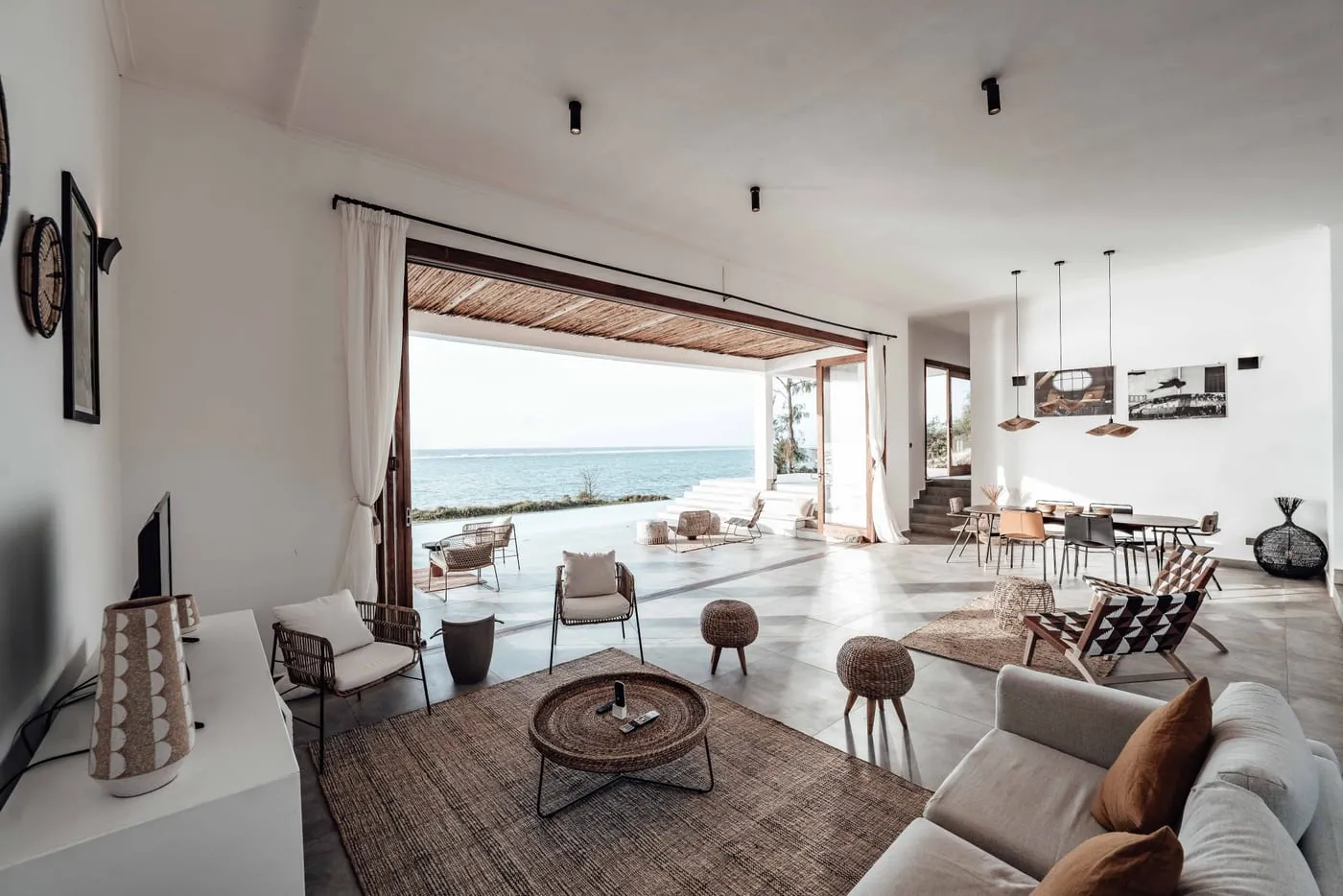
The living room is where rattan has its greatest design impact in an Australian home. The texture reads immediately — it’s warm, it’s coastal, and it makes a room feel considered without requiring a complete furniture overhaul.
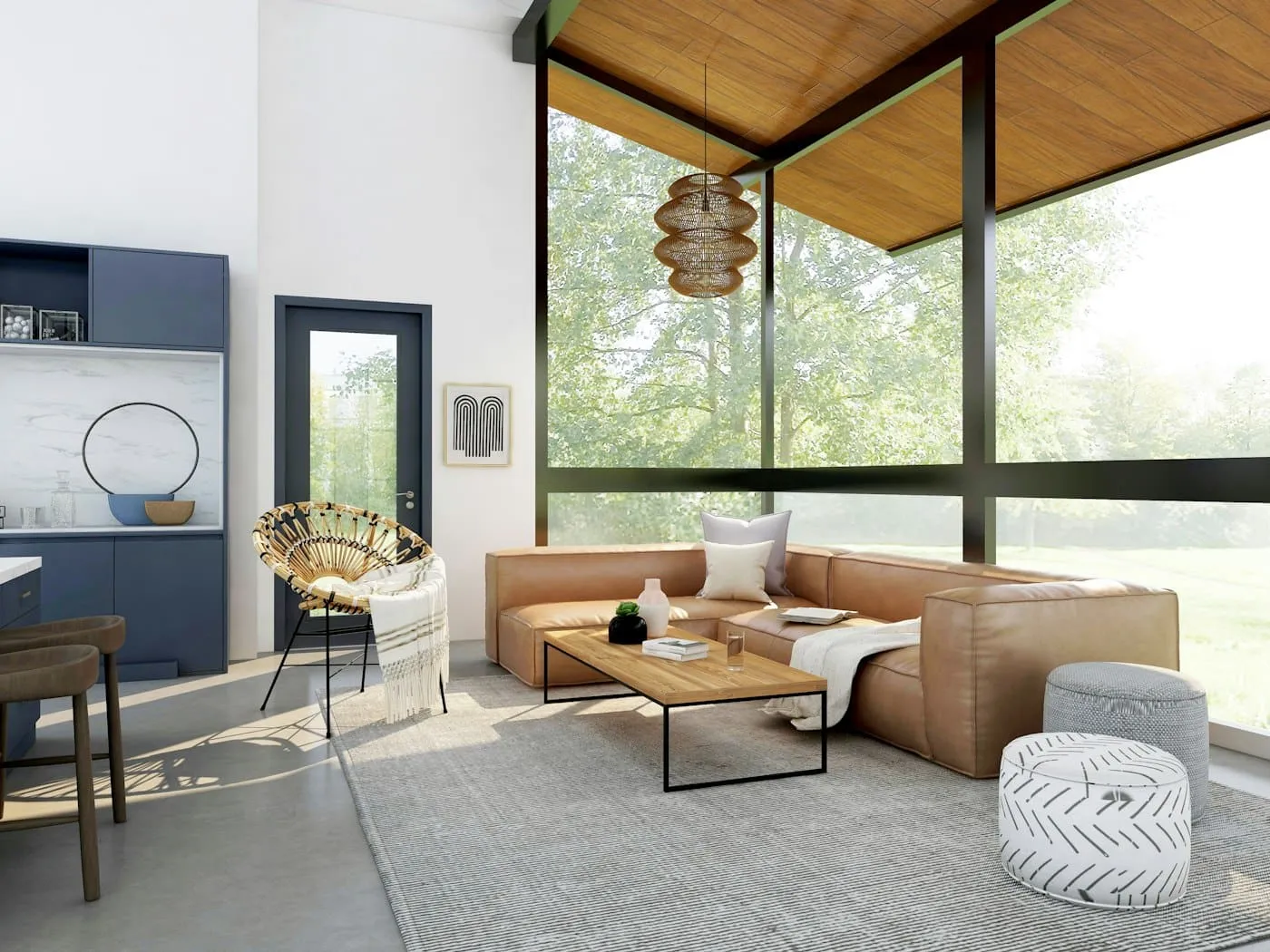
The two most effective living room rattan pieces are the egg chair and the pendant light. The rattan egg chair has become one of the defining pieces of Australian coastal interior design over the past five years. Hung from a ceiling mount or sitting on a freestanding frame, it introduces rattan at a grand scale while serving a genuine functional purpose. A rattan pendant light — even a simple woven shade over a bare bulb — transforms a plain room into something with real character.
For a cohesive look, pair rattan with linen and cotton textiles in white, cream, and sandy beige. Natural timber flooring or a jute rug beneath the rattan pieces reinforces the coastal material story. Avoid pairing rattan with highly polished surfaces or metallics — they work against the organic warmth that rattan brings.
Key point: A quality hanging rattan egg chair with cushion costs ~$250–$800 AUD from Temple & Webster or Freedom. Budget versions from Kmart Australia start from ~$79–$129 AUD for a side chair in a rattan-look material. A rattan pendant light from IKEA AU starts from ~$39 AUD — one of the best design investments available at that price point.
03.Which Rattan Pieces Work Best for an Australian Living Room?
Not all rattan living room pieces deliver equal impact. Some earn their place immediately — others clutter the space without contributing to the aesthetic. Here is where rattan works hardest in an Australian living room, ranked by impact:
- Pendant light — the highest impact per dollar, transformative even in a plain room (~$39–$250 AUD)
- Egg chair or accent chair — a statement piece that reads as coastal and considered (~$79–$800 AUD)
- Side table — a rattan side table beside a sofa adds texture without occupying floor space (~$60–$200 AUD)
- Magazine basket or storage — functional and beautiful, a woven rattan storage basket does double duty (~$25–$80 AUD from Kmart Australia or Adairs)
- Room divider or shelving — rattan-framed bookshelves or screen dividers are more architectural and suit larger living rooms
The error most often in Australian living rooms is buying rattan in every available form — the chair, the basket, the table, the lamp base, the mirror frame — and ending up with a room that feels like a beach shack rather than a styled home. Limit rattan to two or three pieces per room. The restraint is what makes each piece read as intentional.
Key point: Adairs and Temple & Webster carry the broadest range of living room rattan accessories in Australia. Freedom has some of the best-designed rattan accent chairs and shelving units in the mid-range market.
04.How Do You Bring Rattan Into the Bedroom?
The bedroom is where rattan can be used most softly and effectively. It doesn’t need to dominate — a single rattan headboard, a woven pendant above the bedside table, or a pair of rattan side tables is enough to introduce the texture without overwhelming a space that needs to feel calm.
The rattan headboard is having a significant moment in Australian bedrooms. It’s lighter than an upholstered headboard — visually and physically — and suits the airy, light-filled bedrooms of Australian coastal homes beautifully. Combined with white linen bedding and a jute or flatweave rug beneath the bed, a rattan headboard places the room firmly in a coastal aesthetic without a single wall being painted or a single renovation being undertaken.
For bedside tables, a rattan-woven side table with a small lamp on top is one of the most-photographed interior combinations in Australian home decor. The material softens the hard edges of the room and connects it to the living spaces beyond.
Key point: A queen rattan headboard costs ~$200–$600 AUD from Temple & Webster or Adairs. Rattan bedside tables start from ~$80–$250 AUD each. IKEA AU carries rattan-look woven baskets that work beautifully as budget bedside alternatives from ~$25–$49 AUD.
05.Is Rattan Right for a Dining Room in Australia?
The classic rattan dining chair is the Tolix-meets-coastal hybrid: a slim rattan back and seat on a natural timber or powder-coated metal frame. They’re lightweight, easy to move, and visually open — they don’t block sight lines or make a room feel heavy the way upholstered chairs can. Around a solid timber dining table, they create exactly the kind of relaxed, beach-house-done-properly aesthetic that most Australian homeowners are after.
The practical consideration: rattan dining chairs can collect crumbs in the weave and are slightly harder to clean than a solid timber or upholstered seat. A seat cushion in an outdoor fabric addresses the comfort question and makes cleaning a simple wipe-down.
Key point: Rattan dining chairs cost ~$80–$350 AUD each from Temple & Webster, Freedom, or Kmart Australia. Mix four rattan chairs with two upholstered captain’s chairs at the ends of the table for a more considered, layered look that’s very popular in current Australian interior design.
06.How Do You Use Rattan Furniture Outdoors in Australia?
For outdoor areas, the rule is simple: natural rattan stays inside, synthetic PE rattan goes outside. Outdoor rattan furniture (PE rattan on aluminium frames) is one of the most popular outdoor furniture categories in Australia because it delivers the warmth and texture of natural rattan with none of the maintenance or fragility concerns.
A four-seater PE rattan outdoor lounge set is the most versatile outdoor rattan purchase. Positioned under a shade sail or pergola, it creates a comfortable, weatherproof lounge zone that works through most of the year. Pair it with outdoor cushions in white, navy, or coastal stripe, and an outdoor rug beneath for a complete zone that reads as designed rather than assembled.
For pool areas and balconies with significant sun exposure, choose PE rattan furniture with UV-stabilised resin — this is the difference between a set that lasts five years and one that fades and cracks within two. Ask retailers specifically about UV rating before purchasing.
Key point: A quality four-seater PE rattan outdoor lounge set costs ~$600–$2,000 AUD from Outdoor Elegance or Temple & Webster. Budget-friendly versions start from ~$350–$600 AUD at Kmart Australia. Always check that the aluminium frame is rust-proof before buying — particularly important for coastal properties.
07.Where Should You Buy Rattan Furniture in Australia?
The Australian rattan furniture market has expanded significantly over the past five years. Here are the retailers consistently worth checking, ordered from budget to premium:
Kmart Australia — the best budget entry point. Rattan side chairs from ~$79 AUD, woven storage baskets from ~$12 AUD, and occasional rattan side tables from ~$49 AUD. Quality is honest at the price point — not premium, but perfectly functional for a room you’re styling rather than investing in.
IKEA AU — excellent for rattan pendant lights (from ~$39 AUD) and woven storage pieces. The INDUSTRIELL and BASKRAR ranges include solid rattan pieces that punch well above their price.
Adairs — good range of rattan bedroom and living room accessories. Particularly strong for woven cushion covers, storage baskets, and smaller decorative pieces.
Temple & Webster — the widest range of rattan furniture in Australia at the mid-range price point. Indoor dining chairs, bedroom furniture, outdoor sets, and accent pieces all available. Delivery is efficient and the quality-to-price ratio is strong.
Freedom — the most design-forward rattan range in Australian retail. Higher price point, better proportions, more original designs. Worth the premium for key pieces that will anchor a room for years.
Outdoor Elegance — the best destination for outdoor PE rattan furniture. Well-built, UV-rated sets with genuine longevity in Australian conditions.
Key point: Mix levels freely. A Freedom rattan accent chair paired with Kmart woven baskets and an IKEA AU rattan pendant reads as one cohesive look at a fraction of the cost of buying everything from a single premium retailer.
08.How Do You Care for Natural Rattan Furniture in Australia?
Natural rattan needs more care than most people expect when they buy it. In Australia’s dry interior climates and air-conditioned homes, rattan can dry out and crack without regular maintenance. In humid coastal areas, improper care leads to mould.
The care routine is simple once you know it. Dust rattan weekly with a soft brush or a vacuum with a brush attachment — this clears the small debris that settles in the weave and can cause staining over time. Clean stains with a damp cloth and mild soap solution; never soak rattan in water and never use a pressure washer or soaking cloth.
Conditioning is the step most Australian owners skip. Every six to twelve months, treat natural rattan with linseed oil or a rattan-specific conditioning oil. It prevents the material from drying and cracking in the dry air that air-conditioned Australian homes create. Apply with a cloth and wipe away any excess.
Keep natural rattan away from direct sunlight — UV exposure bleaches the colour and dries the fibres faster than almost anything else. In an Australian home, this often means positioning rattan pieces away from north-facing windows where afternoon sun is most intense.
Key point: A bottle of linseed oil for conditioning costs ~$15–$30 AUD from Bunnings. Apply it twice a year — spring and autumn — and your natural rattan furniture will last considerably longer than the industry average of 5–8 years for untreated pieces.
09.How Do You Style Rattan for the Coastal Australian Look?
Rattan exists in a comfortable overlap between coastal, Hamptons, and boho styles — and this versatility is part of its enduring popularity. The styling approach shifts the aesthetic dramatically depending on what you pair it with.
For a classic coastal look, combine rattan with white linen, a jute or flatweave rug in natural or beige, white walls, and timber floorboards. Add a few white ceramic vases, a coastal print on the wall, and some dried pampas grass or native banksia stems. This is the Australian coastal interior in its most complete form.
For a Hamptons variation, pair rattan with crisp white and navy. A rattan pendant light above a navy-and-white stripe outdoor rug, white sofa, and navy cushions creates a coastal look that skews toward the refined rather than the relaxed.
For a boho coastal interpretation — popular in younger Australian interiors — mix rattan with deeper tones: terracotta, olive, rust, and sage. Macrame wall hangings, dried botanicals, and layered textiles complete the look.
Rattan works harder in Australian homes when it’s used as a textural contrast to clean, flat surfaces — white walls, smooth stone benchtops, painted floorboards — rather than layered alongside other tactile materials like heavily textured plaster or rough brick. Give it clean surfaces to rest against and it sings.
Key point: The single most important styling rule for rattan in Australian homes is to limit it to two or three pieces per room. One rattan pendant, one rattan chair, and one woven basket is a complete rattan moment. Beyond that, the room starts reading as a prop store rather than a home.
10.What Other Natural Materials Pair Well With Rattan?
Rattan is most beautiful when it sits within a broader palette of natural materials. It’s tactile, warm, and organic — and the materials you place alongside it either reinforce those qualities or undermine them.
The best companions for rattan in an Australian home: natural timber (in floorboards, dining tables, or shelving), jute and sisal (in rugs and baskets), linen and cotton (in soft furnishings and curtains), and terracotta (in pots and decorative objects). All of these share rattan’s organic warmth and connect to the natural world in a way that suits Australian coastal living beautifully.
Materials that work against rattan: high-gloss lacquered surfaces, polished chrome, heavily patterned synthetic fabrics, and ultra-modern minimalist furniture with sharp right-angle edges. The contrast is too jarring — the rattan reads as foreign in those contexts rather than intentional.
Key point: Build your material palette from a single reference point: the Australian coast. Sand, salt, timber, stone, woven grass — anything that you’d genuinely find on or near the Australian coastline works with rattan. Anything that doesn’t belong on the coast probably won’t work alongside it in a room either.
11.Start Here: Priority Order
Whether you’re starting with rattan for the first time or adding to an existing collection, follow this sequence for the best results.
| Priority | Action | Approx. Cost |
|---|---|---|
| 1 | Add a rattan pendant light to your living room or bedroom | ~$39–$250 AUD |
| 2 | Introduce a rattan accent chair or egg chair | ~$79–$800 AUD |
| 3 | Add woven rattan storage baskets for function and texture | ~$12–$80 AUD each |
| 4 | Consider a rattan headboard or bedside tables for the bedroom | ~$80–$600 AUD |
| 5 | Upgrade outdoor seating to PE rattan for a long-term investment | ~$350–$2,000 AUD |
| 6 | Condition natural rattan pieces every 6–12 months to preserve them | ~$15–$30 AUD per year |
Rattan is one of the most versatile and forgiving materials in Australian home decor. It works across styles, price points, and rooms. The key is restraint — a few well-placed pieces in a room that’s otherwise clean and considered will always outperform a rattan-maximalist approach. Start with a pendant light, add a chair, and let the material earn its place before adding more.
Related reading: