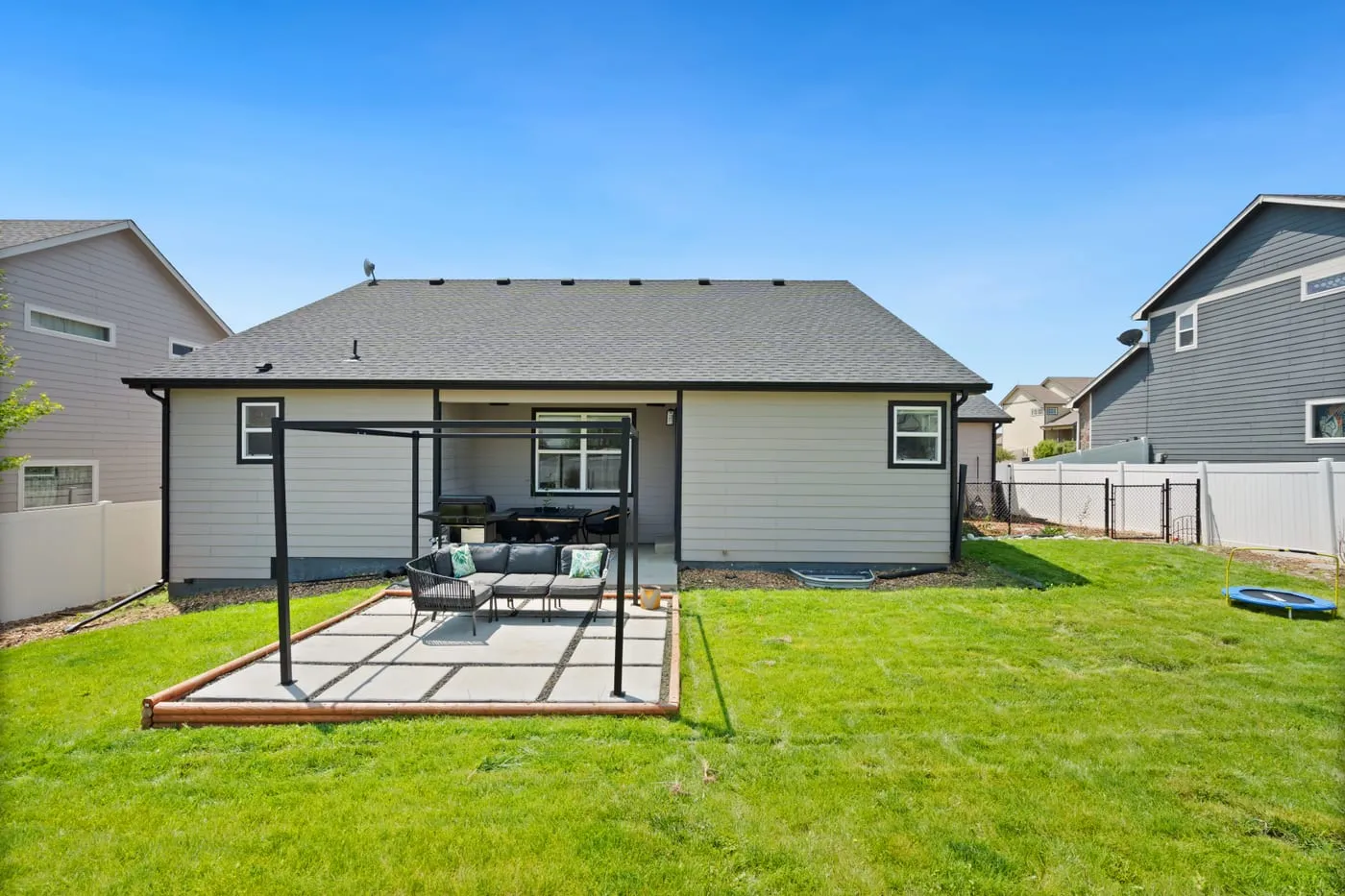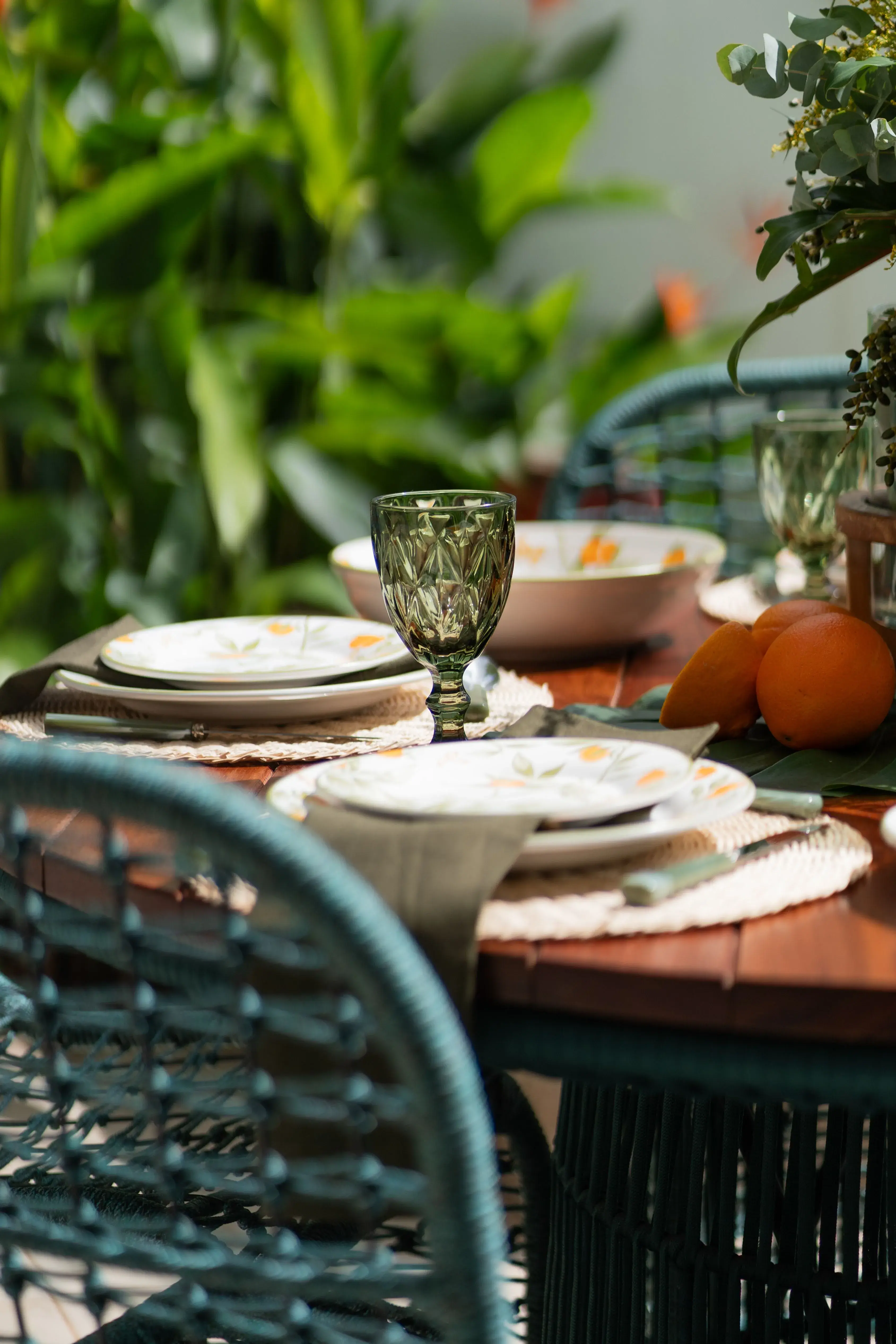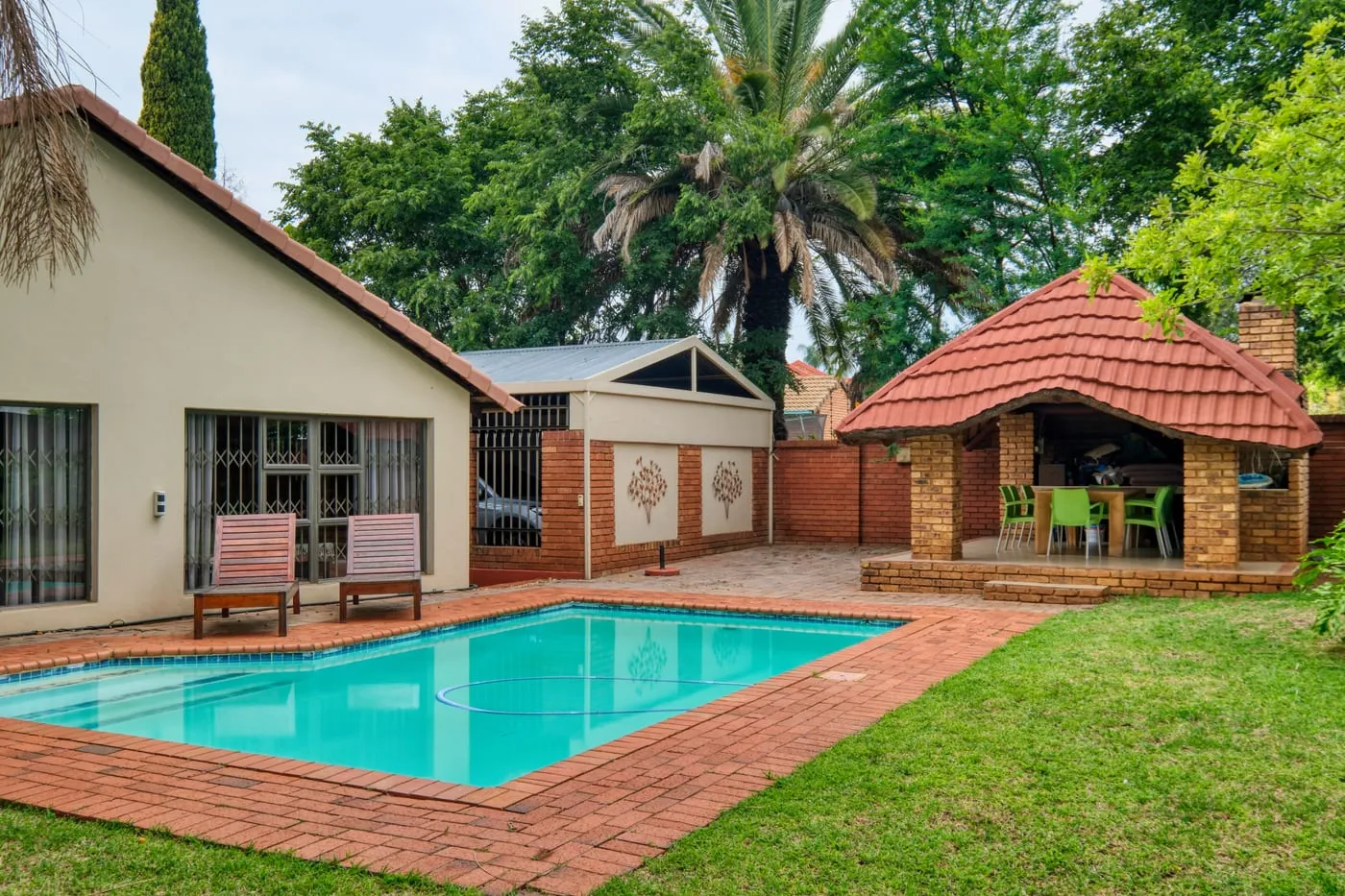
There’s nothing quite like a well-styled pool area to make an Australian summer genuinely feel like a holiday at home. None of them require a massive renovation budget. This guide walks you through 12 practical, Australian-specific ideas — pavers, sun loungers, shade, plants, lighting, outdoor showers, and the small details that pull everything together.
Key Takeaways
- Light-coloured pavers (travertine or sandstone) stay 10–15°C cooler underfoot than dark stone in direct Australian sun
- A shade structure over at least part of the pool deck is essential — not optional — for safe summer use
- Sun loungers in teak or powder-coated aluminium outlast cheaper alternatives by 5+ years in coastal conditions
- Potted plants with low leaf drop add beauty without clogging your pool filter
- Outdoor lighting extends the pool area into a proper evening entertaining space for the cost of a string of festoon lights (~$60 AUD)
01.Why Do Pavers Make or Break the Pool Area?
The pool surround is the largest visual element in the space and it’s also the most functional. In Australian conditions, paver choice matters for safety, comfort, and longevity. Dark pavers absorb heat and become genuinely dangerous to walk on barefoot in summer. Light-coloured stone — travertine, sandstone, or pale concrete — reflects heat and stays manageable even in 35°C+ conditions.
Travertine is the gold standard for Australian pool areas. It’s naturally non-slip when wet, stays cool underfoot, and ages beautifully. Sandstone is a more budget-friendly alternative with a similar aesthetic. Large-format tiles (600x600mm or bigger) look more expensive and reduce the number of grout lines collecting algae.
Key point: Large-format travertine pavers start from ~$65–$120 AUD per m2, and sandstone alternatives from ~$45–$90 AUD per m2, both available through Bunnings or specialist tile suppliers. For a standard 50m2 pool surround, budget ~$3,000–$6,000 AUD for materials plus installation.
02.Does Your Pool Area Need a Shade Structure?
Yes — and in Australia, this is a safety question as much as a comfort one. An unshaded pool deck in Queensland, NSW, or WA becomes unusable between 11am and 3pm in peak summer. You need at least one shaded zone where people can retreat without going inside. Permanent covers have their own rules, so check your local council’s pergola and shade structure approval requirements.
The options range from simple to permanent. A UV-rated shade sail covers the most ground for the least money — a quality 5x5m sail from Bunnings starts from ~$150–$300 AUD and can be installed in a single afternoon. For a more polished result, a freestanding pergola alongside the pool creates a proper alfresco zone adjacent to the water. A louvred roof system is the premium option — you can open it for full sun or close it for rain and UV protection, making the space genuinely year-round.
Key point: Check with your local council before erecting any permanent structure near a pool. Most states have specific setback rules for pool-adjacent structures. A shade sail requires no approval in most areas; a pergola often does.
Renters: a freestanding shade structure or sail — the kind with its own weighted base, sold at Bunnings from ~$200 AUD — is the ideal solution. No drilling, no council approval, and it moves with you.
03.What Sun Loungers Last in the Australian Climate?
Not all sun loungers are equal when exposed to Australian UV levels, salt air, and regular soaking from pool splash. The wrong material deteriorates fast. The right choice lasts a decade with minimal care.
Teak is the most beautiful and durable natural option — it’s naturally water-resistant, salt-tolerant, and develops a distinguished silver patina over time if left untreated. Powder-coated aluminium is the low-maintenance choice — it won’t rust, warp, or bleach, and modern aluminium loungers can be genuinely comfortable with the right sling or cushion. Avoid cheap steel frames (they rust quickly in coastal areas) and painted MDF (it swells and peels within one season of poolside use).
Key point: A quality pair of teak sun loungers costs ~$600–$1,400 AUD from Temple & Webster or Outdoor Elegance. Powder-coated aluminium pairs start from ~$400–$800 AUD. Buy the best quality you can afford — it genuinely pays off over the long term.
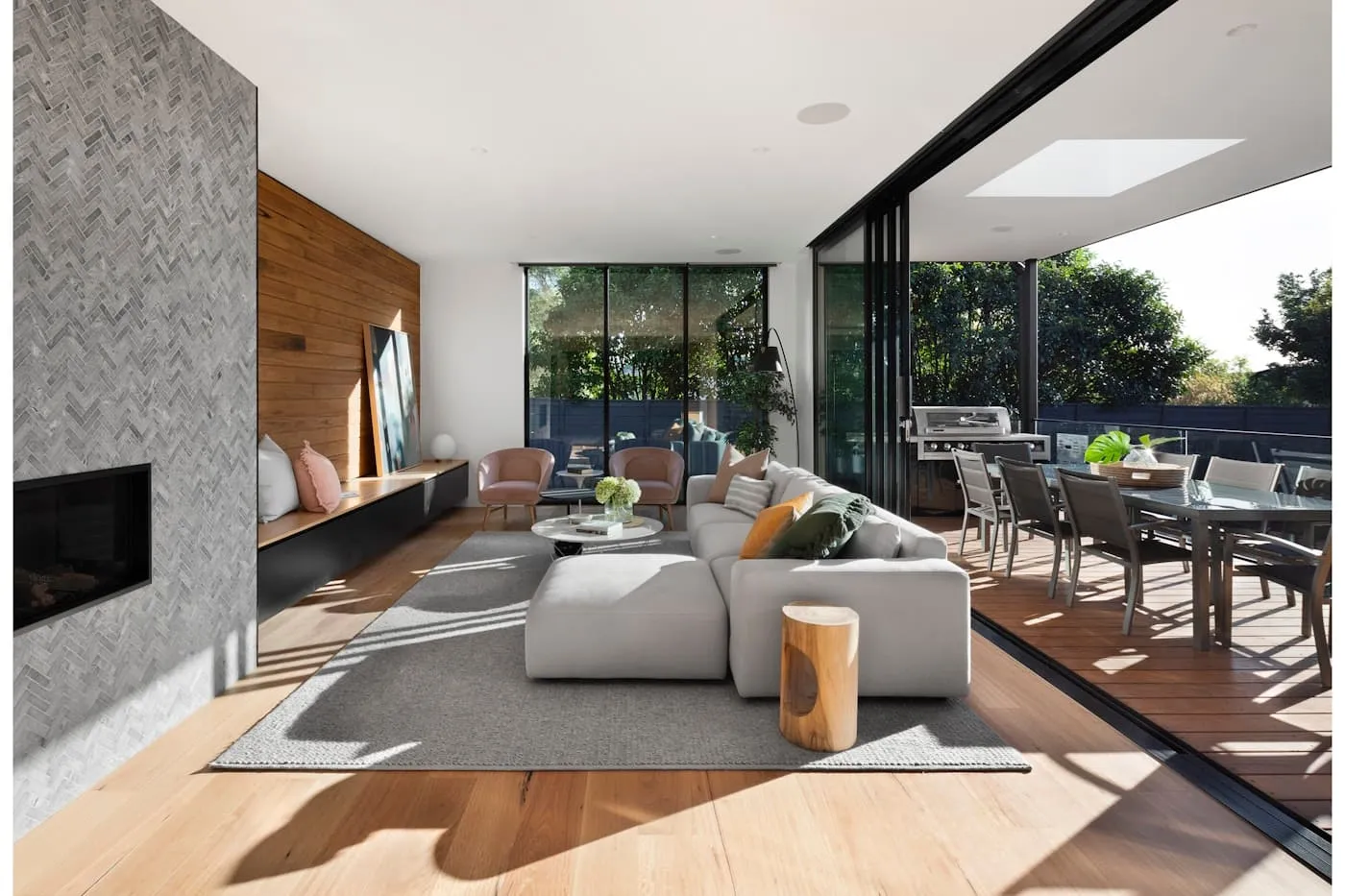
04.How Do You Style Your Pool With Cushions and Textiles?
Outdoor cushions are where the personality of your pool area comes through. They’re also the most replaceable element, which makes them a sensible starting point if you’re working to a budget. The key rule for pool areas: every cushion must be outdoor-rated, with a quick-dry fill and UV-resistant fabric. Regular indoor cushions go mouldy, fade, and fall apart within one Australian summer of poolside use.
For a coastal Australian aesthetic, work with white, cream, navy, and sandy beige. Add a stripe or two for texture. Mix plain and patterned covers on the loungers for a layered, resort look.
Key point: Quality outdoor cushions start from ~$35–$80 AUD each at Adairs and Temple & Webster. Kmart Australia has budget-friendly outdoor cushions from ~$12–$25 AUD that genuinely hold up for a season or two. Store all cushions away from the pool when not in use — even outdoor-rated fabrics fade faster than expected in direct Australian sun.
05.Why Add an Outdoor Rug to Define the Lounging Zone?
An outdoor rug does something surprising in a pool area: it makes the space feel designed rather than just functional. Placed under or between a pair of sun loungers, it defines a zone, adds warmth to hard paving, and signals that the pool area is a room in its own right — not just a wet slab of concrete.
Choose a polypropylene outdoor rug — it’s mould-resistant, UV-stable, dries fast after splashing, and can be hosed down. Avoid natural fibre rugs like jute or sisal outdoors near water; they go mouldy quickly. A simple stripe in navy and white, or a natural sand colour, works with almost every pool aesthetic.
Key point: A quality outdoor rug for a pool area costs ~$80–$300 AUD depending on size, from Adairs or Temple & Webster. Size up — a rug that’s too small looks out of proportion next to a full-length pool.
06.Which Plants Work Around an Australian Pool?
The wrong plants around a pool create constant maintenance headaches — leaf drop clogs filters, seeds stain pavers, and invasive root systems can eventually damage pool structures. The right plants are beautiful and cause almost no problems.
The golden rules for pool planting: choose evergreens (no seasonal leaf drop), prefer compact growers (they won’t overwhelm the space), and avoid flowering plants with lots of small petals that float and block filters. Agapanthus ticks every box — it’s drought-tolerant, produces beautiful blue or white flower spikes, and has minimal leaf drop. Lomandra and coastal grasses add architectural texture without mess. For vertical interest, a clipped Westringia or Murraya in a white pot reads as a clean, structured accent.
Key point: All of these plants are available at most Bunnings locations for $8–$25 AUD per plant. Use large, matching pots around the pool perimeter for a polished look — white or grey rendered pots (~$30–$80 AUD at Bunnings) are the most versatile choice.
07.How Do You Light a Pool Area for Evening Use?
Good pool area lighting does two things: it makes swimming safer after dark, and it transforms the space into a genuinely atmospheric entertaining area. The two goals require different approaches and can be layered together for best results.
For safety and ambiance around the water, consider in-pool LED lighting if you’re doing a renovation — it turns the pool itself into a glowing centrepiece after dark. For the surround, warm white festoon string lights strung along a pergola or between posts create the most immediate transformation for the least cost. Solar path lights along the paver edges define the space boundary and run for free after installation.
Key point: A 20-metre string of warm white festoon lights costs ~$60–$120 AUD at Bunnings or Kmart Australia. Solar path lights start from ~$30–$80 AUD for a pack of six at Bunnings. Run the lights at 2,700K colour temperature — warmer than standard LED — for the most inviting, resort-like glow.
08.Should You Install an Outdoor Shower?
Yes — and it’s one of the most practical and underrated additions to any pool area. A poolside outdoor shower serves a real purpose (rinsing off chlorine and sunscreen before entering the pool is better for water quality and skin) and it adds an undeniable holiday atmosphere to the space.
A simple wall-mounted outdoor shower installed near a hose tap is a straightforward DIY job. More elaborate freestanding showers with a hot and cold mixer require a licensed plumber, but the finished product feels genuinely luxurious. Stainless steel and brushed nickel fixtures are the most durable in Australian coastal conditions.
Key point: A basic wall-mounted outdoor shower fixture starts from ~$80–$200 AUD at Bunnings. Freestanding designer outdoor shower columns range from $400–$1,500 AUD through Temple & Webster or specialist pool suppliers. Add a small teak mat beneath the shower for a spa-like finishing touch ($40–$100 AUD).
Renters: a portable garden shower head that attaches directly to any outdoor tap is available from Bunnings from ~$25 AUD and requires no installation.
09.How Do You Create a Pool-Adjacent Dining or Drinks Zone?
The best pool areas aren’t just about swimming. They’re about living outdoors for as much of the year as possible. A dedicated dining or drinks zone adjacent to the pool — even something as simple as a small side table with an ice bucket and some stools — turns a pool visit into a proper occasion.
If space allows, a full outdoor dining setting under a shade structure alongside the pool creates the most versatile pool area possible. You can swim, eat, and entertain without going inside. If space is tight, a bar-height table with stools takes up a fraction of the footprint of a standard dining setting and suits the relaxed pool vibe perfectly.
Key point: A quality outdoor bar stool set (two stools and a bar table) costs ~$400–$900 AUD from Temple & Webster or Freedom. A simple side table for drinks starts from ~$80–$200 AUD at Kmart Australia.
10.Should You Add a Feature Wall or Privacy Screen?
A plain rendered wall or timber fence behind a pool area can feel stark and unfinished. A simple feature treatment — a coat of crisp white render, a timber privacy screen, or a vertical garden panel — turns that background into an asset rather than something to ignore.
A painted white wall behind the pool reflects light back into the water beautifully, making the pool appear larger and brighter. A slatted timber screen adds warmth and creates privacy from neighbouring properties. Artificial vertical garden panels have improved enormously in quality over the past few years and require zero maintenance — they stay green through drought and heat without watering.
Key point: An artificial vertical garden panel costs ~$80–$200 AUD per panel at Temple & Webster or Bunnings. Timber slatted privacy screens start from ~$60–$150 AUD at Bunnings for a flat-pack version that installs in a weekend.
11.What Fencing Options Look Great Around an Australian Pool?
Pool fencing is mandatory in Australia — every state has specific safety standards — but that doesn’t mean it has to be an eyesore. The right fence design becomes a design feature rather than a compliance afterthought.
Glass frameless pool fencing is the most popular premium option. It disappears visually, so the pool and landscaping read as an uninterrupted scene. Frameless glass starts from ~$400–$650 AUD per linear metre installed. Semi-frameless glass is a more budget-friendly compromise at ~$250–$400 AUD per linear metre. Black powder-coated aluminium pool fencing is the best budget option — it’s modern, clean, and reads well against both white and natural stone paving.
Key point: Always use a licensed installer for pool fencing in Australia. All states require the fence to meet Australian Standard AS1926.1. The council inspection is mandatory before the pool can be legally used. Budget ~$4,000–$12,000 AUD for a full perimeter of frameless glass depending on pool size and site complexity.
12.What Finishing Details Separate Good From Excellent?
The difference between a pool area that looks styled and one that looks lived-in and genuinely beautiful is almost always the small repeated details. These are the things that experienced outdoor stylists never skip.
A consistent material palette across the pool area — the same stone, the same timber finish, the same metal colour in every fixture — creates cohesion. Mismatched metals (chrome fittings next to brass accessories next to stainless fixtures) read as unresolved and busy. Choose one and repeat it.
The single addition that generates the most comments from visitors is a large, white ceramic pot with a tall grass planted in each corner of the pool area. It costs under $100 AUD total and creates instant architectural framing. People always ask if a designer did it.
Key point: A teak or bamboo drinks tray left on the side table, a good-quality ice bucket, coastal-printed melamine serveware from Adairs, and a couple of white lanterns with pillar candles (~$15–$30 AUD each from Kmart Australia) are the finishing touches that cost almost nothing and make the entire space look intentional.
13.Start Here: Priority Order
If you’re starting fresh or working with a limited budget, follow this sequence. Each step creates an immediate visual improvement and sets up the next stage well.
| Priority | Action | Approx. Cost |
|---|---|---|
| 1 | Lay light-coloured pavers (travertine or sandstone) around the pool perimeter | ~$3,000–$8,000 AUD installed |
| 2 | Add a shade structure — shade sail for budget, pergola for permanence | ~$150–$5,000 AUD |
| 3 | Invest in quality sun loungers (teak or aluminium) with outdoor cushions | ~$400–$1,400 AUD |
| 4 | Plant low-drop, low-maintenance greenery in matching white pots | ~$150–$400 AUD |
| 5 | String festoon lights and add solar path lights along the perimeter | ~$90–$200 AUD |
| 6 | Add a poolside drinks table, an outdoor rug, and finishing accessories | ~$200–$600 AUD |
The pool area is one of the highest-impact outdoor spaces to style in an Australian home. The good news is that most of the visual work can be done with plants, lighting, textiles, and pots — not structural changes. Start with Step 1 if you’re building from scratch, or jump to Steps 3–6 if the hard landscaping is already in place. Either way, the transformation is fast.
Related reading: