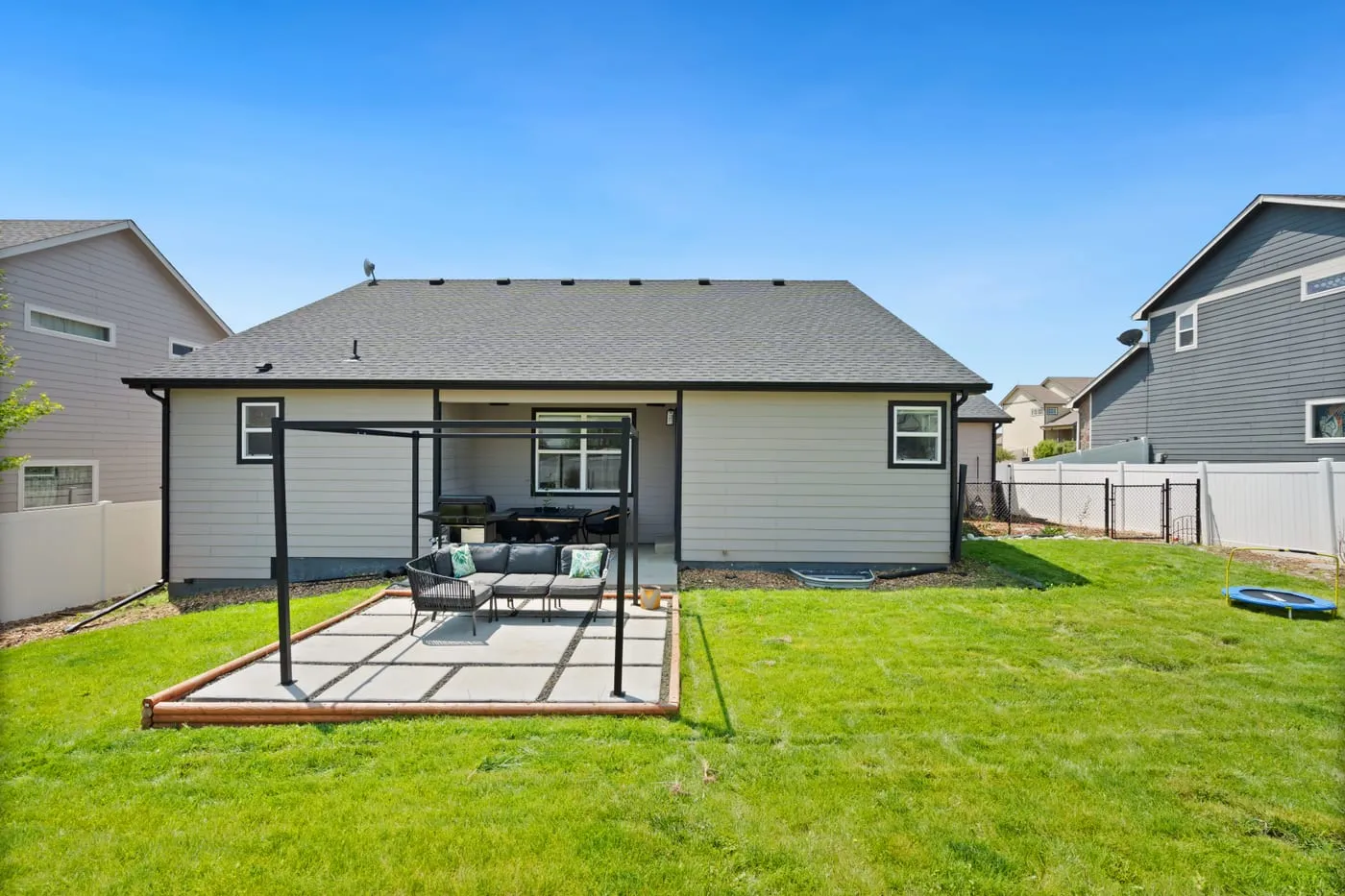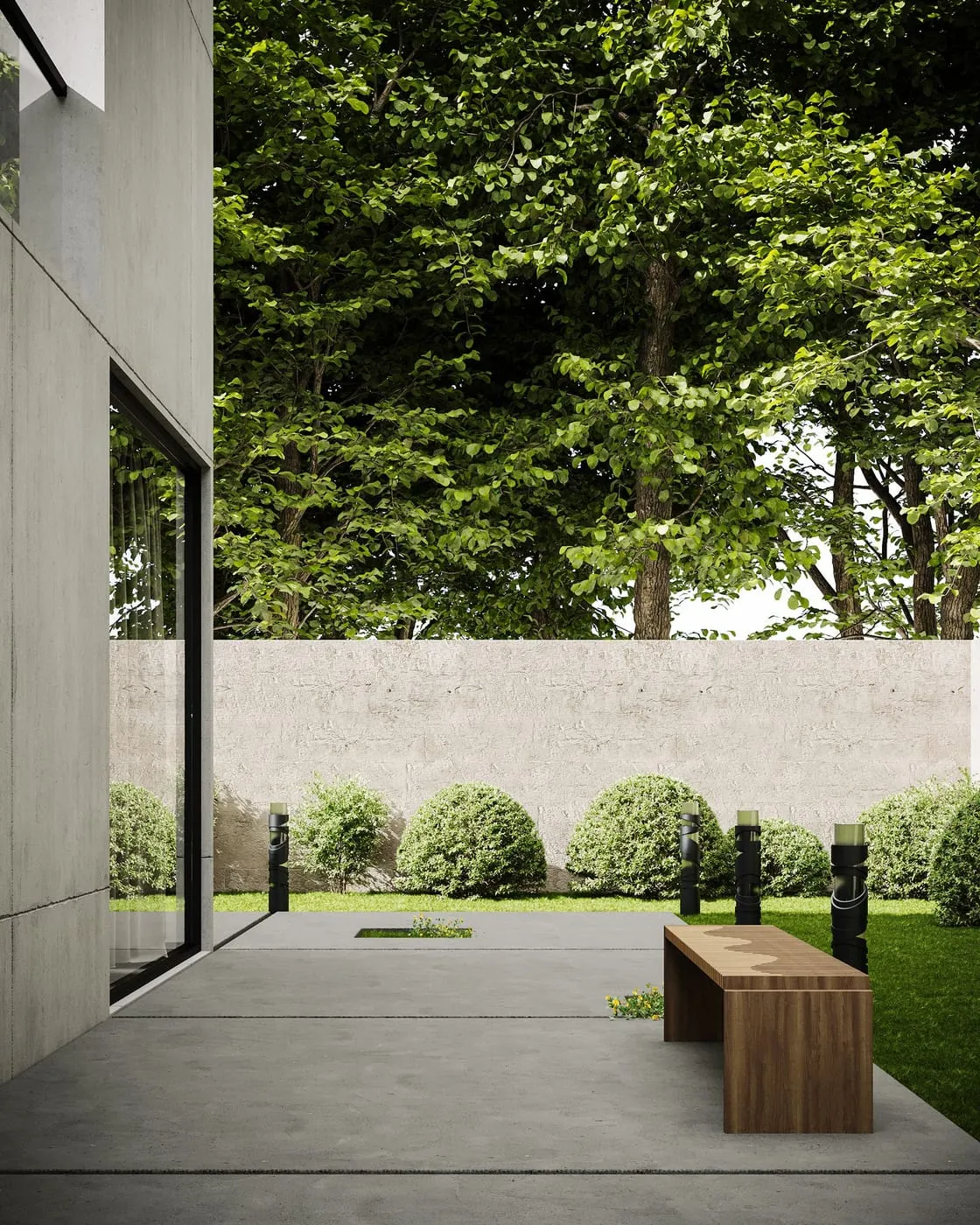
A concrete patio is the default choice for most Australian backyards, mainly because it’s the cheapest per-square-metre option that still holds up to real outdoor use. The decisions that actually matter aren’t whether to choose concrete — it’s which finish, whether to DIY, and whether you’ll actually seal it afterward.
TL;DR: Plain broom-finished concrete is cheapest; stamped, stained, or exposed aggregate finishes add style for a modest premium. DIY saves 40-60% but risk is real. Sealing every 2-3 years is the step most people skip and regret.
01.Finish Options and What They Actually Cost
| Finish | Look | Typical cost/sqm (professional) |
|---|---|---|
| Plain broom-finished | Simple, slip-resistant, utilitarian | $60-$90 |
| Stamped (pattern pressed in) | Mimics stone, brick, or tile | $80-$140 |
| Stained (coloured) | Solid or variegated colour | $75-$120 |
| Exposed aggregate | Textured, stone visible | $90-$150 |
Exposed aggregate costs the most upfront but hides dirt, staining, and hairline cracks far better than a smooth finish over several years outdoors — worth weighing against the lower sticker price of plain or stamped concrete if you’re thinking long-term.
02.DIY vs Hiring a Professional
A DIY concrete patio pour genuinely saves 40-60% compared to hiring it out, since labour (forming, pouring, finishing, and curing) makes up most of a professional quote.
DIY makes sense when:
- The patio is a simple rectangle or square under roughly 20 square metres
- You have help for the actual pour (concrete sets fast — this isn’t a solo job)
- You’re comfortable researching mix ratios and cure times specific to your climate
Hire a professional when:
- The shape is irregular, sloped, or borders an existing structure
- You want a stamped, stained, or exposed aggregate finish (these require more skill and timing precision than a plain pour)
- A bad pour would be expensive or disruptive to redo
A poorly mixed or poorly cured DIY slab cracks or discolours within a year or two — at that point, the “savings” disappear once you pay to fix or replace it.
03.Sealing: The Step Almost Everyone Skips
Concrete patios in Australia need sealing roughly every 2-3 years, more often near the coast where salt air accelerates wear. This is the single most commonly skipped maintenance step, and it’s what actually causes the cracking, staining, and fading that gets blamed on “bad concrete.”
- Penetrating sealers (Bunnings, $40-$80 per container, covers roughly 20-40sqm) soak in rather than sitting on top, and don’t change the surface’s look
- Film-forming sealers add a slight sheen and more stain resistance but need reapplication more often in direct sun
04.Frequently Asked Questions
4.1What’s the cheapest concrete patio finish in Australia?
A plain broom-finished slab is the cheapest option — roughly $60-$90 per square metre installed by a professional, or considerably less as a DIY pour. The broom finish also adds slip resistance, which matters for a patio that gets wet from rain or pool splash. Stamped or stained finishes add $20-$50 per square metre on top of plain concrete for the decorative pattern or colour.
4.2Is it cheaper to DIY a concrete patio or hire a professional in Australia?
DIY concrete pours typically save 40-60% versus hiring a professional, since labour is the largest cost component of a concrete job. The tradeoff is risk — a poorly mixed, poorly levelled, or poorly cured DIY pour cracks or discolours within a year or two, and fixing a bad concrete pour costs more than hiring it out correctly the first time. DIY suits a small, simple rectangular patio; larger or irregularly shaped areas benefit from a professional’s experience with forming and finishing.
4.3How often should a concrete patio be sealed in Australia?
Every 2-3 years for most Australian climates, more often in areas with heavy UV exposure or near the coast where salt air accelerates wear. Sealing is the single most skipped maintenance step, and it’s what actually prevents the cracking, staining, and colour-fading that people blame on “bad concrete” when it’s really just an unsealed surface exposed to Australian sun and rain for years.
4.4What’s the difference between stamped and exposed aggregate concrete patios?
Stamped concrete uses textured moulds pressed into wet concrete to mimic stone, brick, or tile patterns — it’s primarily a visual effect on a flat surface. Exposed aggregate removes the top layer of cement paste to reveal the embedded stones underneath, creating genuine texture that also hides dirt, minor cracks, and staining far better than a smooth stamped or plain surface over time.
05.Related Reading
For the broader material and layout decision, see our patio design ideas for Australian backyards guide. If your concrete patio needs weather protection, our enclosed patio design ideas guide covers screening and roofing options, and backyard landscaping ideas pairs well for the garden surrounding it.