Position a fire pit well away from the house, fences and overhanging trees, keep seating upwind of the smoke, and check your state and council fire rules before you light it. The rest of this guide covers types, wood, seating and safety.
There’s something primal about gathering around a fire. In Australia, where we live outdoors for most of the year, a well-positioned fire pit can extend your backyard season well into the cooler months. The CFA Victoria and NSW Rural Fire Service both publish specific guidelines for backyard fires — regulations vary significantly by council, season, and proximity to bushland. This guide covers types, safety rules, positioning, wood, seating, lighting, styling, maintenance, and winter entertaining ideas. Before you set up the fire pit, it’s worth reading the backyard entertaining ideas guide for Australian homes so the fire pit zone integrates naturally with the rest of your outdoor space.
01.Which Type of Fire Pit Is Right for Your Backyard?
The three main options are portable steel bowls, built-in stone or concrete pits, and gas fire pits. Each suits a different backyard, budget, and lifestyle. Portable bowls start at ~$80 AUD at Bunnings, built-in stone pits run ~$500–$3,000 AUD installed, and gas units typically cost ~$600–$2,000 AUD. Your tenure matters too: owners can invest in permanent structures, while renters need a removable solution.
Portable Steel Fire Bowls are the most flexible option. They sit on legs, move around the yard easily, and store away when not needed. Look for thick-gauge steel, a spark guard included, and legs that keep the bowl safely off the ground. Renters: portable fire bowls are the ideal solution — they’re affordable, fully removable, and don’t require council approval in most areas.
Built-In Stone or Concrete Fire Pits become a permanent focal point that genuinely adds property value. Sandstone suits a classic Australian aesthetic, bluestone works well in contemporary yards, and poured concrete delivers an industrial look with serious durability. These take more planning but deliver a result that looks intentional.
Gas Fire Pits offer no smoke, no mess, and instant flame at a dial turn. They suit areas with strict fire regulations because many councils exempt gas appliances from solid-fuel fire bans. Always check current fire restrictions before lighting any outdoor fire — the rules on gas versus wood vary by council.
02.What Are the Legal Requirements for Fire Pits in Australia?
Understanding the rules before you buy anything is the single most important step. The NSW Rural Fire Service and CFA Victoria publish daily fire ban status updates — check them every time before lighting. Regulations differ by state, local council, season, and distance to bushland.
During a Total Fire Ban, all open fires are prohibited — including fire pits, chimineas, and solid-fuel barbecues. Some gas appliances are exempt, but you need to verify with your specific council. Outside fire ban periods, many councils still require minimum clearance distances, permit approvals for built-in structures, or specific containment standards.
Confirm the current fire ban status before you light up. Call your local council directly or use the state fire service app. Getting this wrong carries heavy fines in most Australian states, and more importantly, it’s a genuine safety issue in our climate.
03.Where Should You Position Your Fire Pit?
Position is the decision that makes or breaks the whole setup.
Keep at least 2 metres of clear space on all sides of the pit. A flat, non-combustible surface underneath is essential: pavers, concrete, or a purpose-built fire pit mat all work well. Never place a fire pit directly on a timber deck without a thick non-combustible barrier and at least 2 metres of clearance to the structure.
Wind direction matters more than most people realise. Observe where the breeze typically comes from in your yard during the evenings you’d use the pit. Position seating so smoke naturally drifts away from guests, not into them. Double-check your council’s fire rules haven’t changed since your last burn, and keep a garden hose with good pressure accessible from the pit location.
04.What Wood Should You Burn in an Australian Fire Pit?
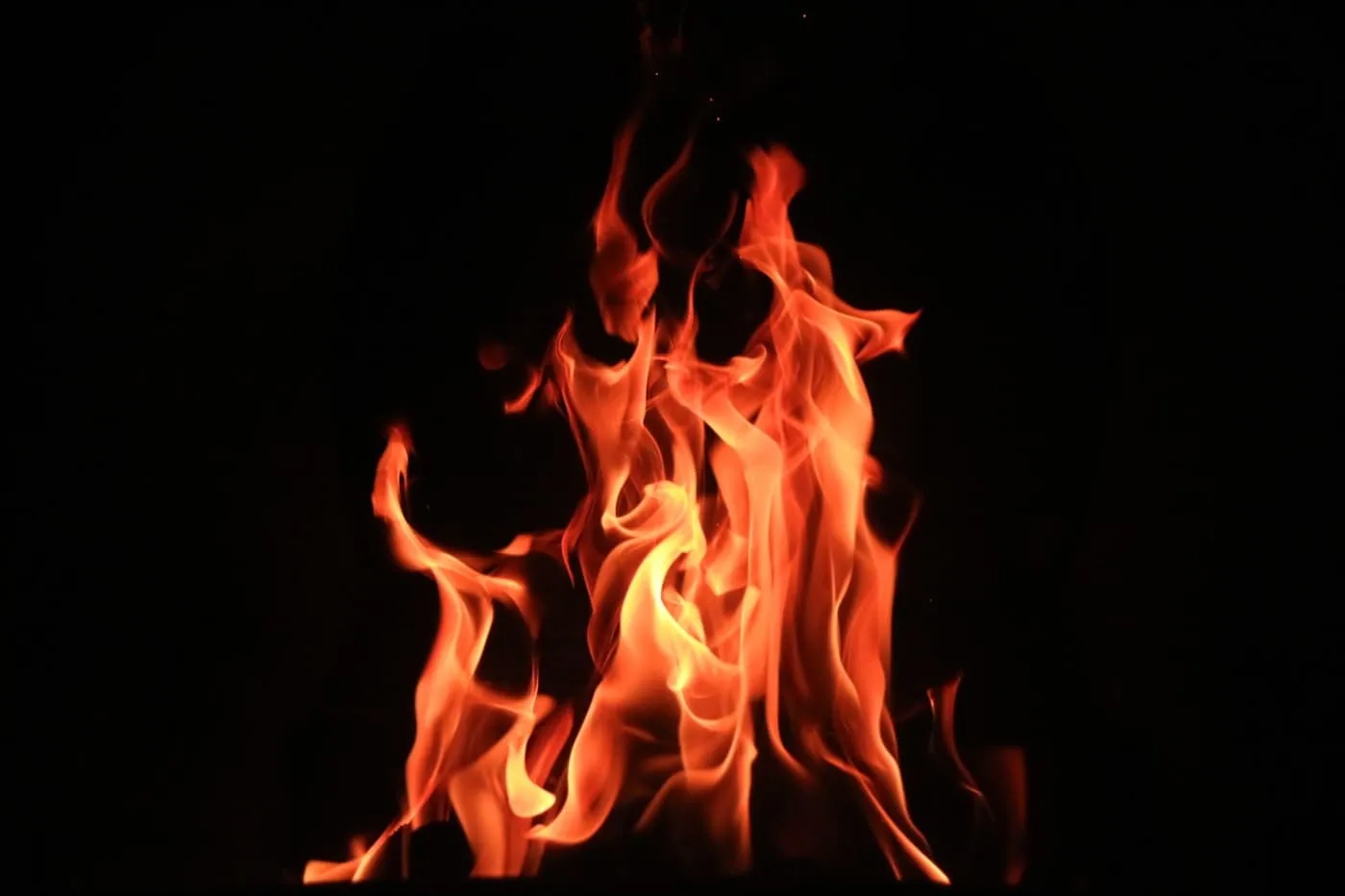
The wood you burn determines heat output, smoke level, and how long the fire holds. **Australian hardwoods — red gum, ironbark, and spotted gum — burn hotter, slower, and cleaner than softwoods.
Never burn treated timber, painted wood, MDF, plywood, or any wood with chemical treatments. These release toxic fumes that are harmful to people and can damage the fire pit finish. Green or wet wood creates excessive smoke and produces poor heat output.
Split, seasoned hardwood is the ideal fuel. Stack it off the ground with airflow around the pile and give it at least six months to dry properly if you’re cutting your own. Buy pre-seasoned firewood from a reputable supplier if you don’t want to manage drying time. Note that some councils restrict solid-fuel burning on poor air quality days as well, on top of the standard fire-ban rules.
05.How Should You Arrange Seating Around a Fire Pit?
Good seating design is what turns a fire pit into a social space. Budget ~$200–$1,200 AUD for a complete seating setup — a four-chair arrangement in powder-coated steel or teak starts around $400 AUD at Temple & Webster or Bunnings. The shape and height of the seating matters as much as the material.
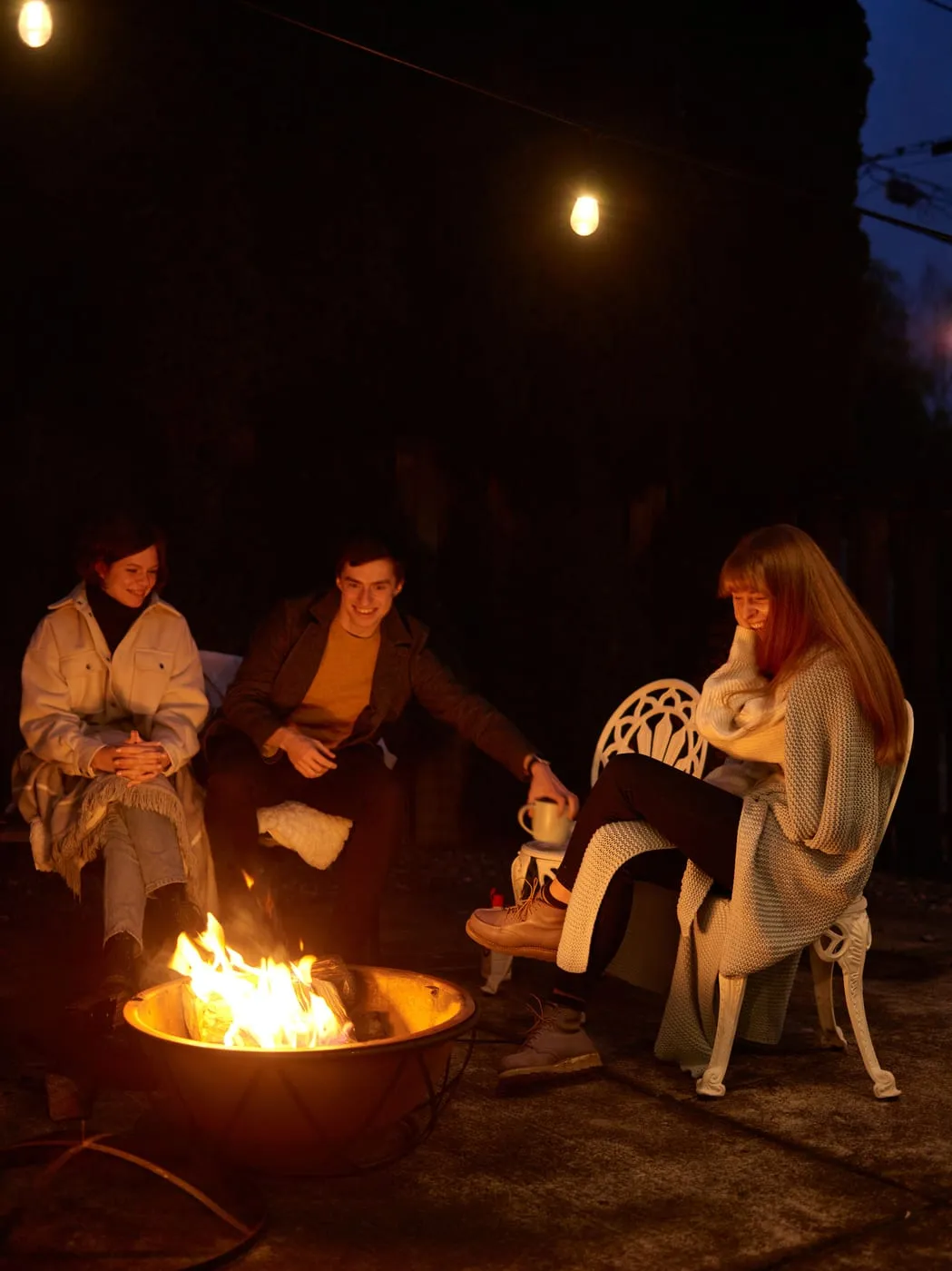
Low-slung chairs invite people to settle in and stay. Adirondack-style chairs, low outdoor lounges, and floor cushions on a sturdy outdoor rug all work well around a fire. Keep seating at least 1.5 metres from the edge of the pit — close enough for warmth, far enough for safety and comfort.
A curved concrete bench built around a built-in fire pit gives a resort-style look. For a more relaxed atmosphere, scattered poufs and floor cushions on a flat outdoor rug feel less formal and suit smaller groups. Add a low side table within reach of every seat — nobody wants to put their wine on the ground at the end of a long day.
06.How Do You Light and Manage a Backyard Fire Safely?
Safe fire management is not complicated, but it does require discipline every single time. The NSW Rural Fire Service recommends keeping a bucket of water or a connected garden hose immediately accessible whenever an outdoor fire is burning. Never leave a burning fire pit unattended, not even briefly.
Start with dry tinder — a small bundle of dry leaves, paper, or natural fire starters — then build up with smaller kindling before adding the main hardwood logs. This staged approach avoids the common mistake of piling on large logs early and getting a disappointing, smoky fire that won’t establish properly.
Let coals cool completely before leaving the area. This takes longer than most people expect — often three to four hours after the last log burns down. Install a spark guard if your bowl didn’t include one — cheap insurance against a fine or a genuine hazard.
07.How Do You Style the Fire Pit Zone?
A fire pit sitting alone in the yard is just a functional object. Style the zone around it and it becomes the best seat in the house after dark. Budget ~$80–$250 AUD for lighting and styling accessories — solar lanterns start at ~$15 each and outdoor rugs suited to fire pit zones start around $60 at Bunnings.
Define the space with an outdoor rug that circles the pit and anchors the seating arrangement. Use lanterns at ground level and at varying heights to supplement the firelight without overwhelming it. Solar stake lights along the garden bed edge create a soft perimeter without running cables. If the fire pit zone is part of a broader backyard project, the backyard landscaping ideas guide for Australian homes covers how to plan zones, select paving, and integrate garden beds around an entertaining area.
The most underrated styling move is a basket of throws placed near the seating, not draped over chairs. Guests help themselves when they need one, and it adds texture to the zone during daylight hours when the fire isn’t lit. Layer the basket with two or three neutral wool or cotton throws that can handle outdoor humidity.
Side tables are essential — one within arm’s reach of each seat. Timber stools, powder-coated steel side tables, or even large flat-topped outdoor ottomans all work. Keep the aesthetic consistent with the rest of your outdoor furniture so the zone feels designed, not assembled from leftover pieces.
08.What Maintenance Does a Fire Pit Need?
Maintenance requirements depend on the pit type, but all fire pits need some basic ongoing care.
Remove ash regularly — a full bowl of ash restricts airflow and makes lighting harder. Wait until the ash is completely cold, then scoop it into a metal bucket. Spent wood ash can go into your garden compost or directly around acid-loving plants at low concentration.
For built-in stone or concrete fire pits, check the mortar joints and stone faces each season. Freeze-thaw cycles in cooler Australian climates, combined with direct flame exposure, can cause cracking over time. Reseal exposed concrete with a heat-rated sealant annually. Gas fire pit burners benefit from an annual inspection of the gas line connections and burner ports.
Cover portable steel bowls during extended periods of non-use or during summer. A fitted weather cover costs ~$20–$40 AUD and prevents rust build-up and debris accumulation during the months when the pit isn’t in use.
09.How Do You Plan Winter Entertaining Around the Fire Pit?
A fire pit is at its best in the cooler months — June through August in most of Australia. Winter evenings around a well-stocked fire pit are some of the best outdoor entertaining opportunities of the year, and extending your season outdoors can reduce indoor heating costs noticeably. The setup for winter entertaining is slightly different from a summer barbecue.
Build the fire thirty minutes before guests arrive so you have a strong coal bed by the time people settle in. Warm drinks work better than cold ones: mulled wine, hot chocolate, or a spiced cider served in enamel mugs keeps guests comfortable and engaged without needing to go inside for refills.
Over four winters, fire pit gatherings consistently run two to three hours longer than indoor equivalent evenings. The fire gives people something to watch and tend to, which naturally keeps conversation going and slows the pace of the evening in a way that feels genuinely restorative.
Keep a pile of dry wood close enough to add to the fire without leaving the group. Add logs gradually to maintain a steady, medium-size fire rather than building it too large early. A good coal bed produces more warmth and less smoke than a large open flame. Winter fire ban days do occur in some Australian regions during dry spells, so it’s worth a quick check even outside the usual summer ban season.
10.Where Should You Buy Fire Pits in Australia?
Finding the right supplier depends on your budget and what type of pit you’re after. Bunnings covers the entry-level range from ~$80–$300 AUD, while Outdoor Elegance handles the premium built-in and freestanding category for serious outdoor spaces.
- Bunnings — best range of entry-level portable steel fire bowls from ~$80–$300 AUD
- Temple & Webster — better-looking design options in corten steel and stone from ~$200–$800 AUD
- Outdoor Elegance — premium built-in and freestanding options for serious outdoor spaces
- Barbeques Galore — strong range of gas fire pits if you prefer the smoke-free option
Before purchasing, confirm your local rules. The NSW RFS and CFA Victoria publish daily fire ban updates, and your local council website will list any additional permit requirements for permanent structures.
11.Start Here: Priority Order
| Priority | Action | Approx. Cost |
|---|---|---|
| 1 | Check your local council fire regulations | Free |
| 2 | Choose your fire pit type and position it correctly | ~$80–$2,000 AUD |
| 3 | Set up seating — at least 4 chairs or an outdoor sofa | ~$200–$1,200 AUD |
| 4 | Source hardwood firewood (red gum or ironbark) | ~$100–$300 AUD/load |
| 5 | Add lighting and styling around the fire pit zone | ~$80–$250 AUD |
A fire pit is one of those backyard investments that pays you back every single time you light it. The conversations that happen around a fire are slower, deeper, and longer than any other kind of gathering. Get the safety fundamentals right, choose the pit type that suits your tenure and budget, and style the zone with intention. Your backyard will become the place everyone wants to be as the evening cools.
Related reading: